
A Comprehensive Open Educational Resource (OER) from Orthogate Press!
Musculoskeletal Medicine addresses a topic of great importance. The simplest reason is the large number of people with musculoskeletal conditions. Granted, few people die of bone and joint diseases, yet many people do not enjoy life to the fullest because of them. Thus, for students who went to medical school to help people, mastering musculoskeletal medicine will be an essential task.
Explore Musculoskeletal Medicine, a comprehensive online textbook covering the diagnosis, treatment, and management of musculoskeletal conditions. Designed for medical professionals, this resource offers expert insights, evidence-based approaches, and practical guidance for improving patient care.
I left the hospital one evening and walked through a narrow passageway toward the parking garage. A large trash dumpster was blocking my path. As I squeezed by, I looked inside the dumpster and saw, to my astonishment, hundreds of old medical textbooks. I telephoned the hospital librarian at home...
The idea for this book took root on a chilly Sunday in April 1990 as I was nearing the end of my internship. On this particular day, I got a call from a medical resident working in the emergency department asking me to see a patient with a “fibia” fracture....
Approaching basic science can be daunting. Without clinical experience to offer perspective, the novice student must acquire, assimilate, and apply information within a near vacuum. And yet it must be done. As the word “basic” implies, this is a body of fundamental knowledge that must be mastered before you move...
Bone is living, dynamic tissue that affects three main functions of the body: skeletal homeostasis (providing structure to house the internal organs as well as a system of pulleys and levers to move the body), mineral homeostasis (storing and releasing ions), and hematopoiesis (accommodating the machinery of blood cell formation)....
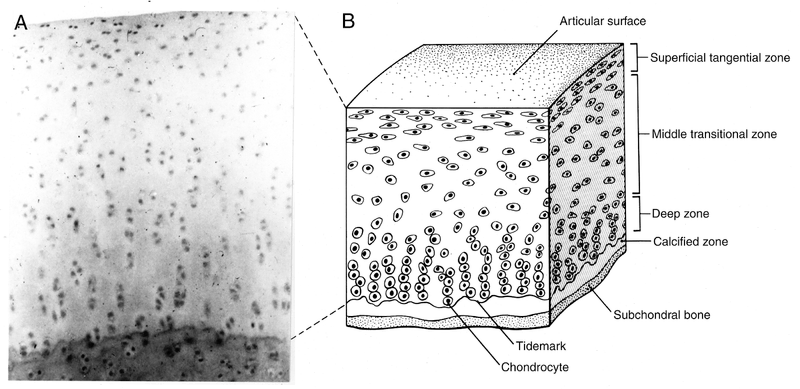
Articular cartilage, the resilient durable tissue that forms the opposing articulating surfaces of synovial joints, provides these surfaces with the low friction, lubrication, and wear characteristics that make possible smooth painless movement.1 It also absorbs mechanical load and spreads these applied loads onto subchondral bone.2 No synthetic or reparative material...
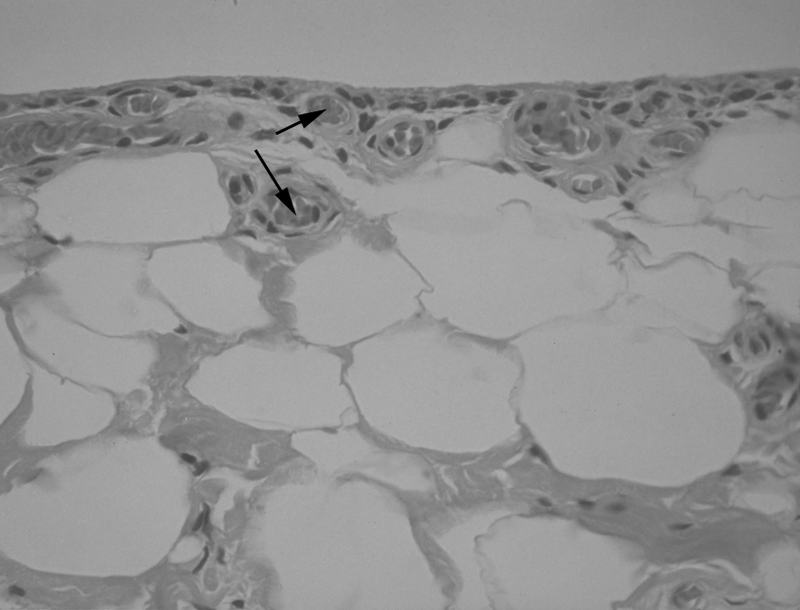
Synovial tissue is found in joints, tendon sheaths, and bursae and allows smooth motion. Synovial tissue is organized in a membranous structure called the synovium. This chapter describes the gross anatomy, histology, and function of synovium, on which the joints, tendons, and bursae depend for motion and metabolism. Synovial fluid,...
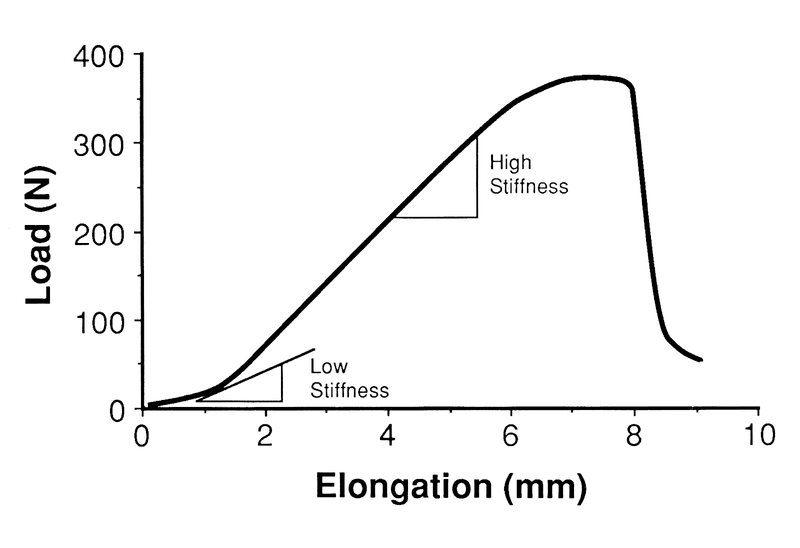
Skeletal ligaments are highly organized, fibrous tissues that connect bone to bone. Some ligaments are large and easily seen or felt; others are small and subtle. All share the task of protecting the joints from instability and allowing normal motion to occur with minimal resistance. The orientation of a ligament...
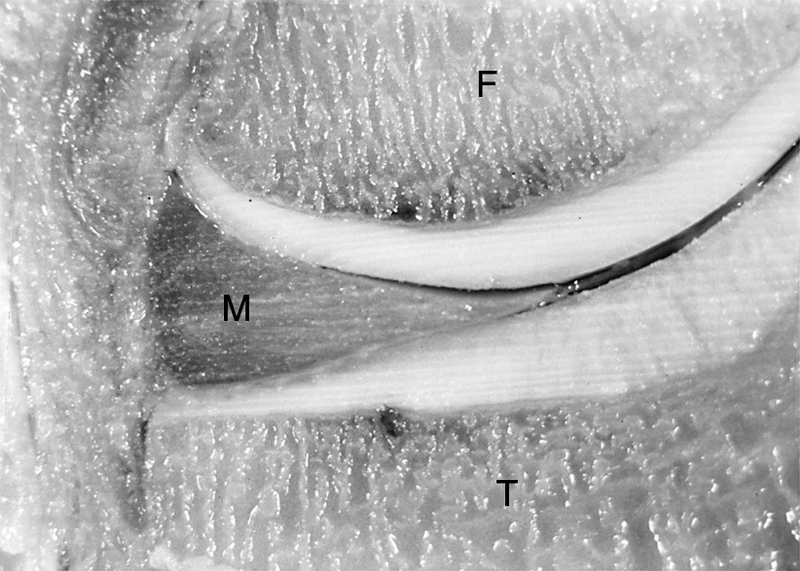
Once thought to be vestigial and functionless, the menisci are now believed to play a critical role in knee biomechanics. The meniscus cushions the proximal tibia from impact, distributes the load of weight bearing over an area of maximal size, helps stabilize the joint against anterior displacement, helps lubricate the...
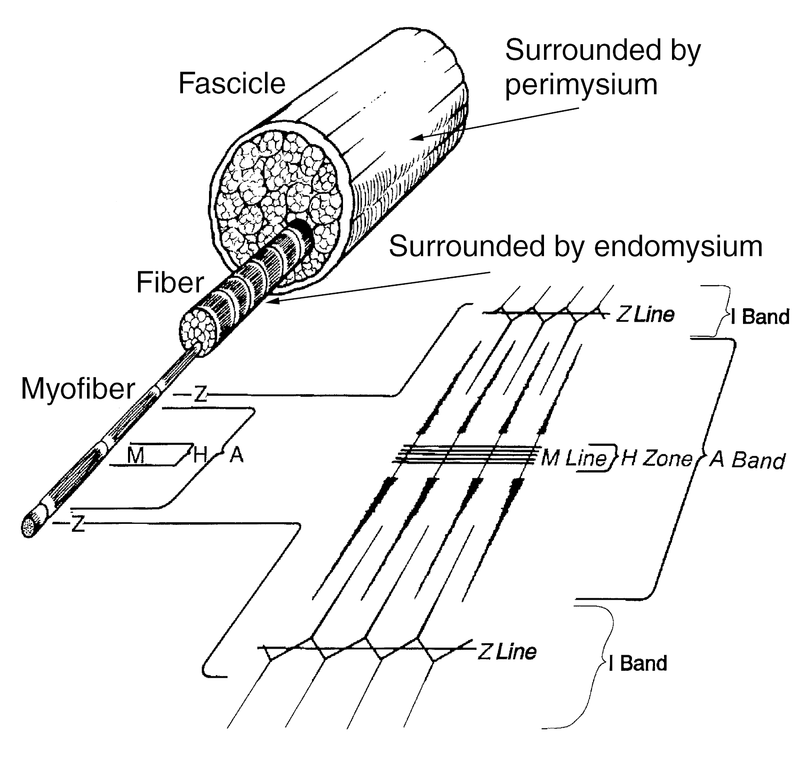
Skeletal muscle is the single largest tissue mass in the body, constituting 40% to 45% of the dry body weight. Muscles attach to the bones and produce movements or exert static forces. They can be connected directly to bone or insert on a bone by means of a tendon, which...
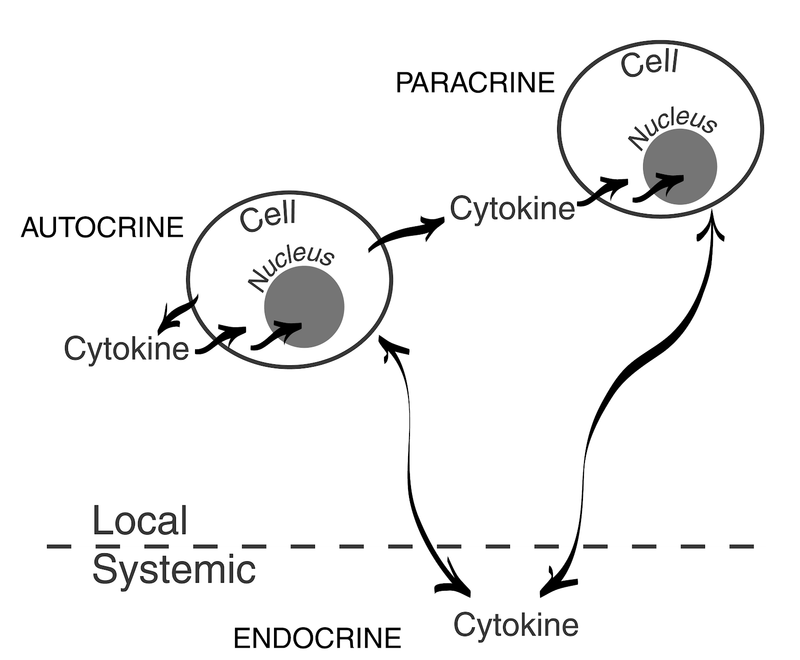
Inflammation is characterized by erythema, warmth, pain, and edema. Acute inflammation generally occurs in response to an injury or introduction of foreign material at a specific site and is an important part of wound healing. Chronic inflammation is usually associated with a systemic disease process, such as rheumatoid arthritis (RA),...