
A Comprehensive Open Educational Resource (OER) from Orthogate Press!
Musculoskeletal Medicine addresses a topic of great importance. The simplest reason is the large number of people with musculoskeletal conditions. Granted, few people die of bone and joint diseases, yet many people do not enjoy life to the fullest because of them. Thus, for students who went to medical school to help people, mastering musculoskeletal medicine will be an essential task.
Explore Musculoskeletal Medicine, a comprehensive online textbook covering the diagnosis, treatment, and management of musculoskeletal conditions. Designed for medical professionals, this resource offers expert insights, evidence-based approaches, and practical guidance for improving patient care.
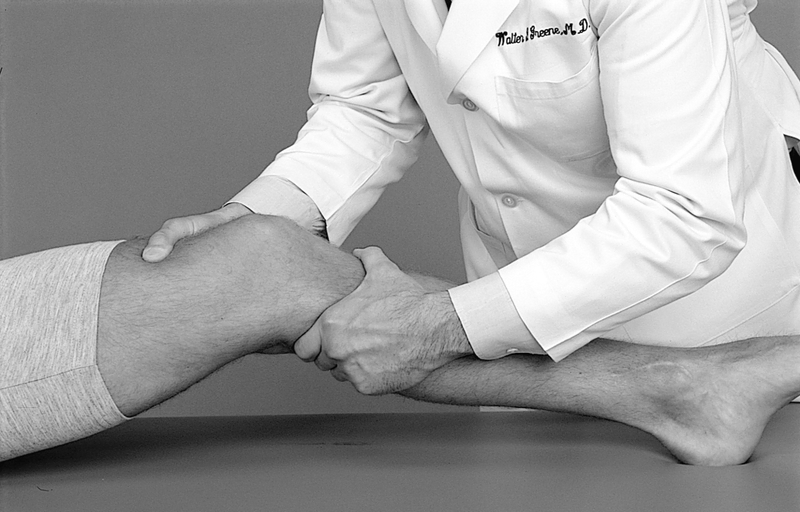
Clinical Evaluation Medical History Much has been written about how to obtain the medical history, but there is a catch: these writings tend to make the most sense only to readers who are experienced enough to no longer need them. In light of this paradox, this book will not say...
Shoulder and Arm Inspection Look for erythema, ecchymosis, and swelling. Noting deformity and atrophy is particularly important. In the shoulder this may be difficult to appreciate because atrophy of the large muscles of the shoulder girdle must be severe to recognize it. Although infraspinatus and supraspinatus atrophy can be identified...
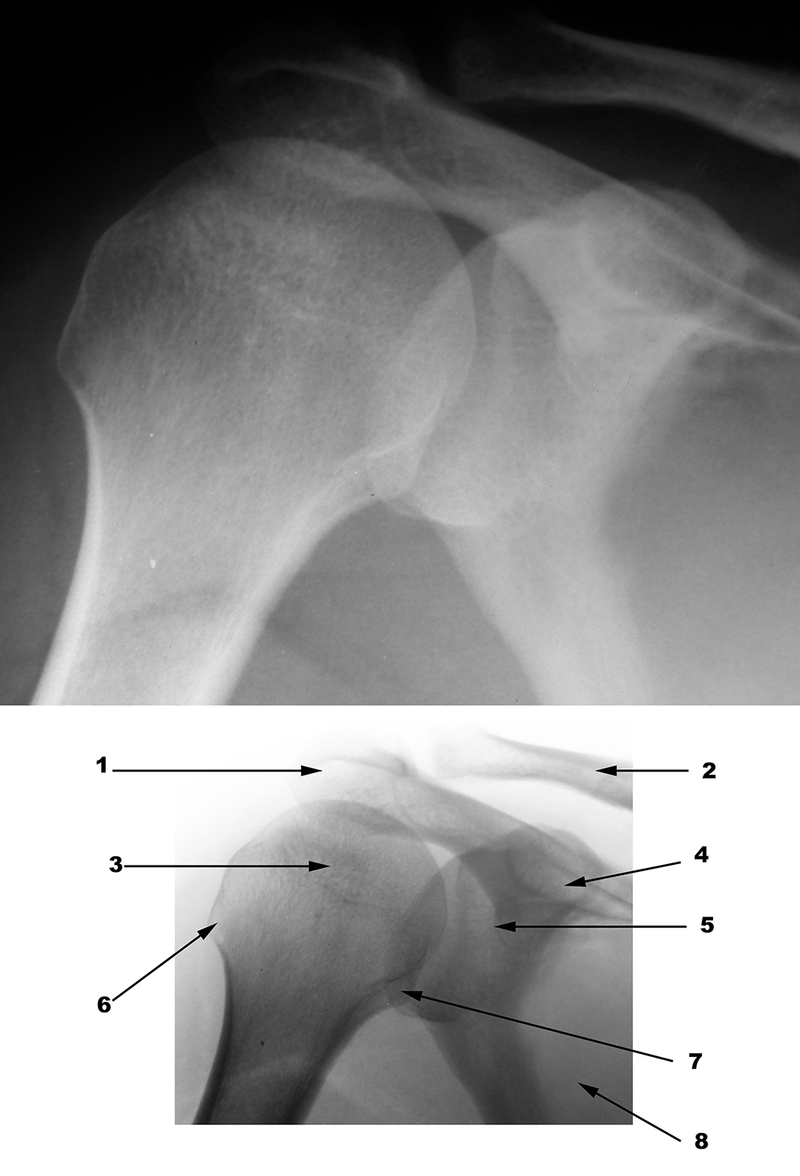
Plain radiographs are medical images that are obtained by transmitting high-energy electromagnetic radiation through a subject onto a radiographic plate or film. The rays that strike the film blacken it.1,2 In the human body, differences in tissue density affect the degree to which the radiation is able to pass through...
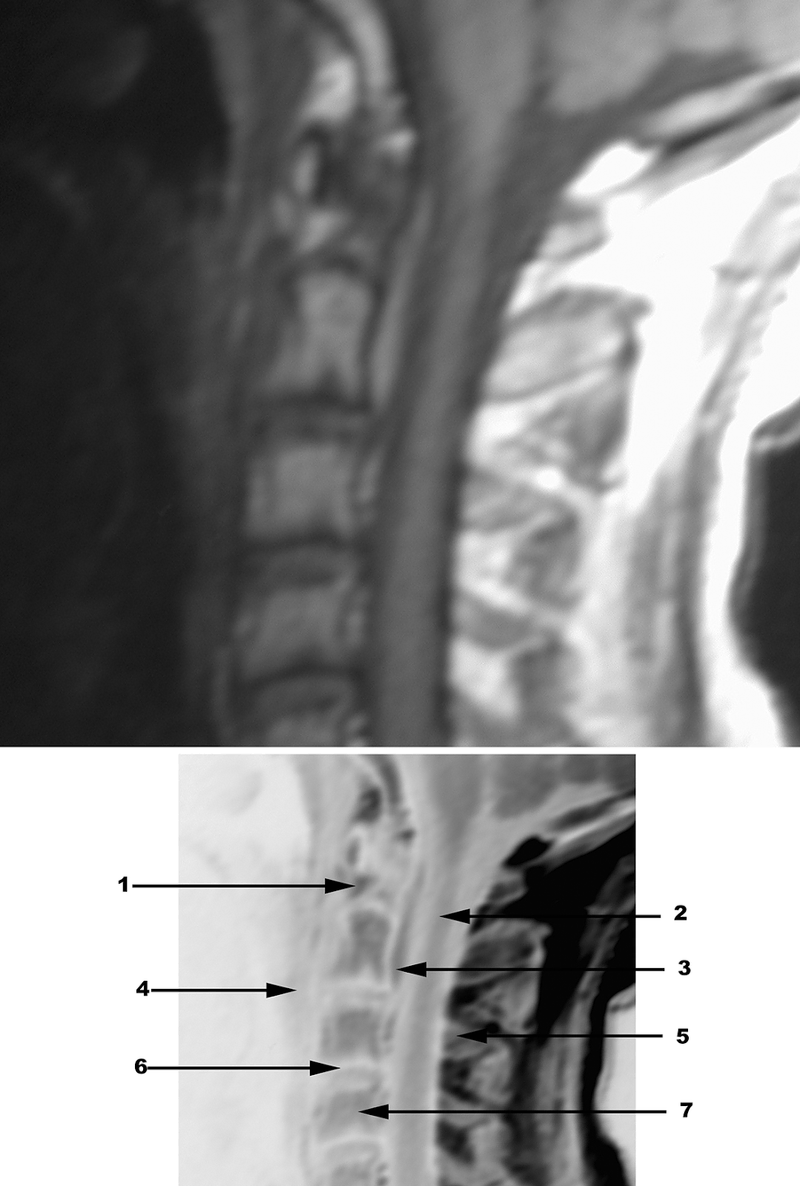
For the initial evaluation of many pathologic conditions involving the musculoskeletal system, radiography remains the mainstay.1,2 However, special imaging studies such as MRI, CT, and ultrasonography are essential components of the diagnostic workup of patients with both complex disease processes such as bone tumors and simple ones such as cartilage...
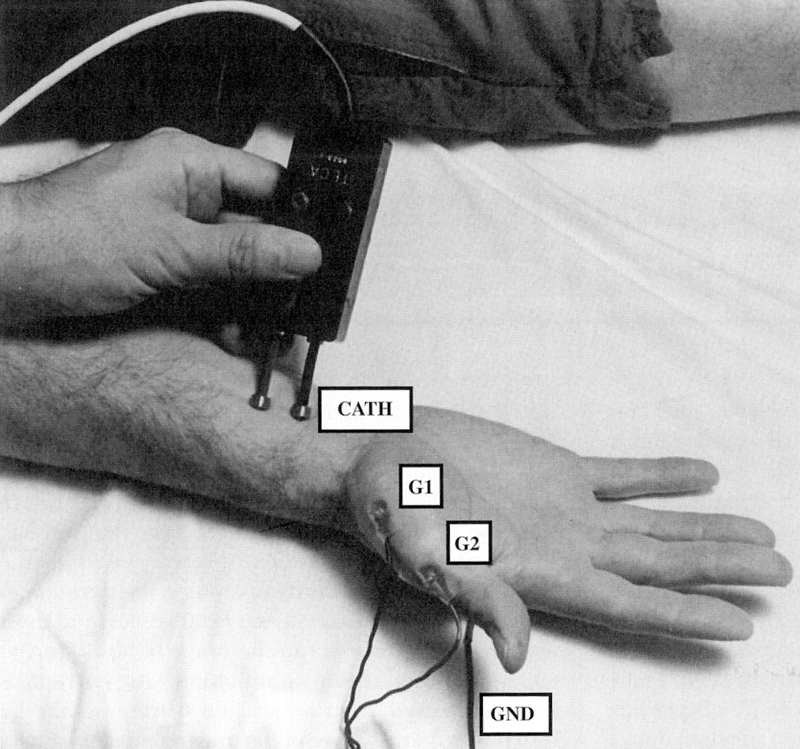
Electrodiagnostic studies are useful diagnostic tools for localizing and characterizing pathology in nerve or muscle. Among the conditions amenable to electrodiagnostic evaluation are focal neuropathies, radiculopathies, or plexopathies; polyneuropathies; and other neuromuscular lesions (eg, myopathies and central lesions). Information rendered by electrodiagnostic studies includes the type of pathology, its location,...
The physician’s job, said Voltaire, is to amuse the patient until nature heals the disease. Of course, Voltaire lived in the eighteenth century when patients would have been lucky if their physicians attempted no more than amusement. This was the age before antibiotics, anesthesia, and other innovations that define modern...
The successful management of musculoskeletal injuries begins with an initial evaluation and ends with the return to normal activities. For many injuries, there are several important steps along the way to achieving a positive outcome. The goals of management include: (1) protecting damaged tissues, (2) controlling swelling,(3) reducing pain, and...
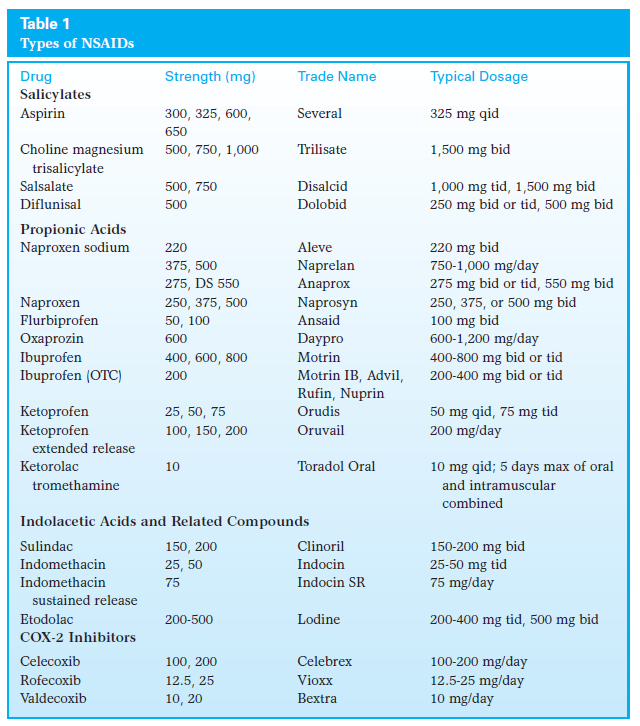
This chapter provides a clinically based introduction to the pharmacologic therapies most commonly used in musculoskeletal medicine. The types of medicine discussed include anti-inflammatory pain medications, viscosupplements for arthritis, disease-modifying drugs for rheumatoid arthritis, medications for increasing bone density and preventing blood clots, and antibiotics. Analgesia The appropriate and skillful...
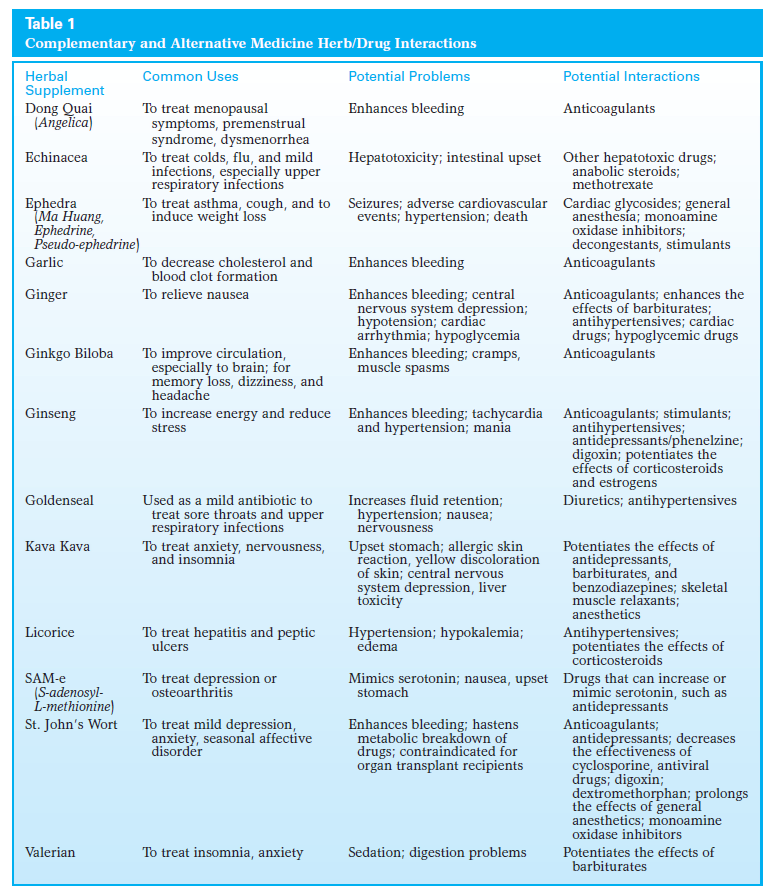
Alternative medicine defies easy definition. Its broadest definition comprises that which is not taught in a traditional medical school curriculum. This definition, of course, makes it impossible for a conventional medium such as this text to address the topic because by simply including a discussion of a given remedy here,...