
A Comprehensive Open Educational Resource (OER) from Orthogate Press!
Musculoskeletal Medicine addresses a topic of great importance. The simplest reason is the large number of people with musculoskeletal conditions. Granted, few people die of bone and joint diseases, yet many people do not enjoy life to the fullest because of them. Thus, for students who went to medical school to help people, mastering musculoskeletal medicine will be an essential task.
Explore Musculoskeletal Medicine, a comprehensive online textbook covering the diagnosis, treatment, and management of musculoskeletal conditions. Designed for medical professionals, this resource offers expert insights, evidence-based approaches, and practical guidance for improving patient care.
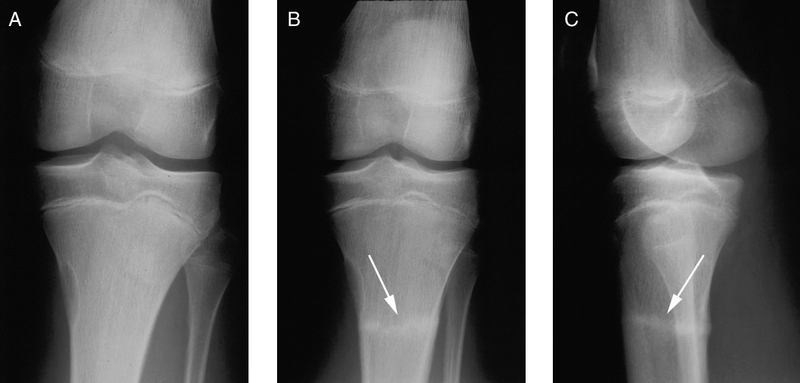
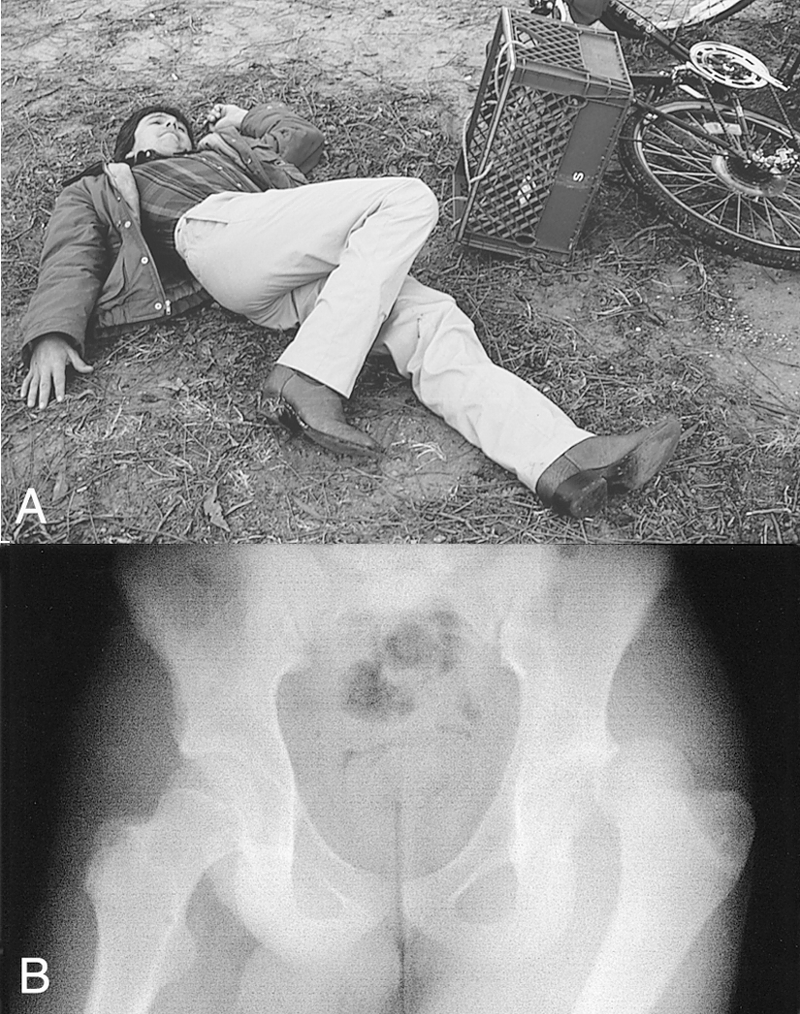
Musculoskeletal emergency is any injury or disease of the bones, joints, muscles, and adjacent neurovascular structures that, if not treated immediately, can result in significant impairment. Conditions that must be recognized promptly include spinal injuries, crush injuries, compartment syndrome, fractures (specifically open fractures, pelvic fractures, and long bone fractures), infections,...
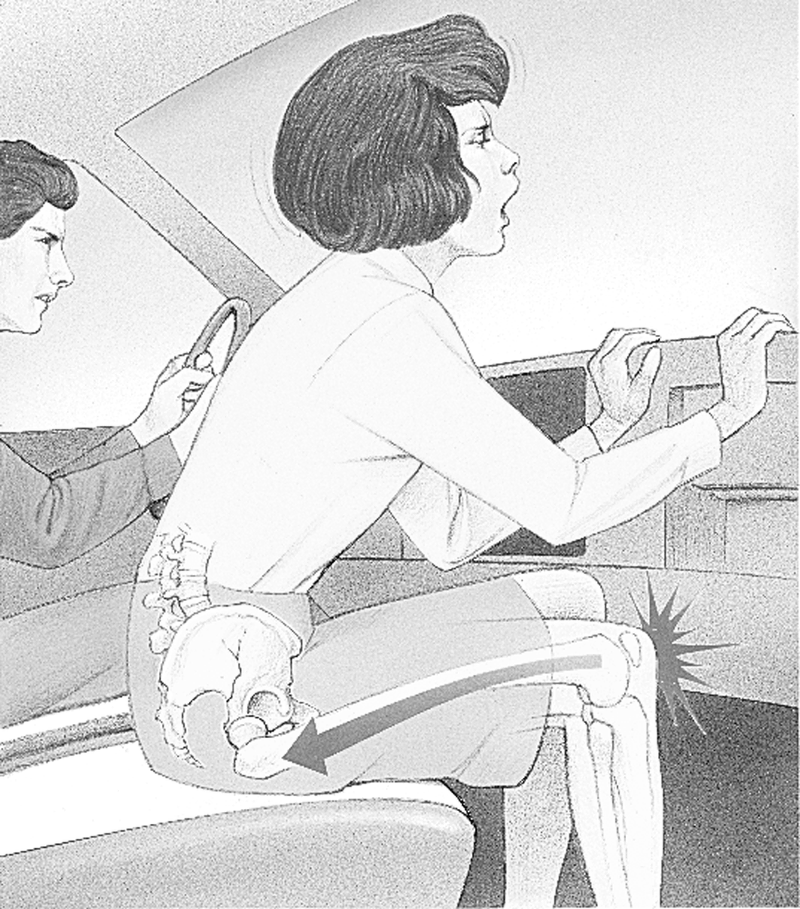
Overuse injuries are caused by the repetitive application of forces, none of which individually is great enough to damage the tissue. Rather, it is the repeated application of force that results in an accumulation of microscopic damage and clinical evidence of injury. Overuse injuries can affect many tissue types including...
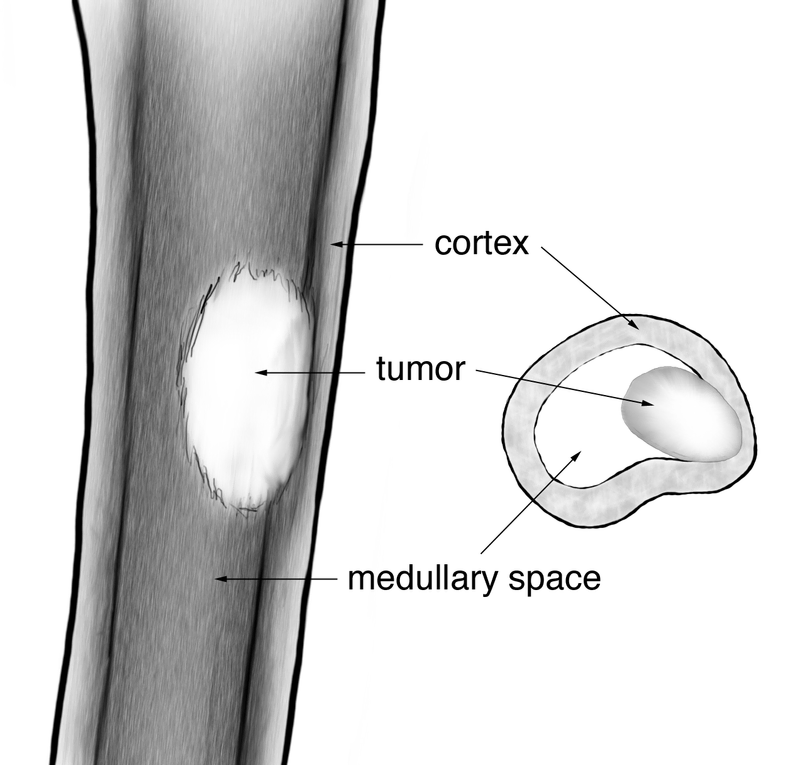
Bone and soft-tissue tumors arise from undifferentiated mesenchymal tissue. When these tumors develop, they express many tissue types, including fat, bone, cartilage, blood vessels, lymphatics, and fibrous tissue (Tables 1 and 2). Although specific chromosomal alterations have been noted in some tumors, the etiology of most bone and soft-tissue tumors...
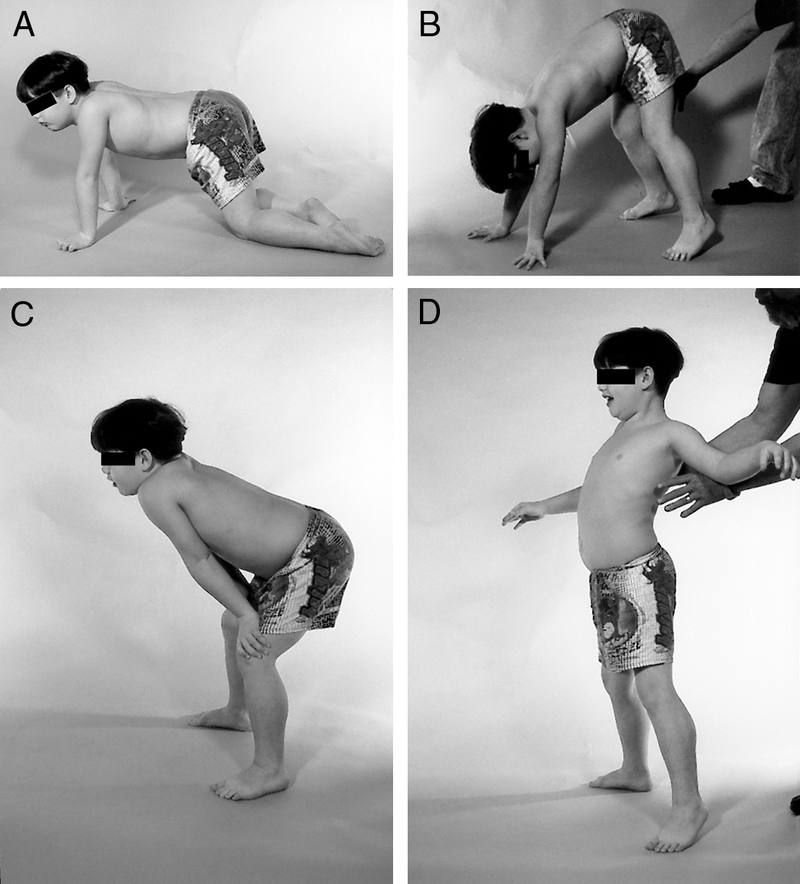
Disorders of musculoskeletal growth and development are relatively uncommon, with an incidence of approximately 1 in 5,000 births.1 Nonetheless, they provide critical insights into the normal physiology of growth and development. Historically, physicians have often been more concerned with clinical diagnosis and surgical treatment than the molecular biology and genetics...
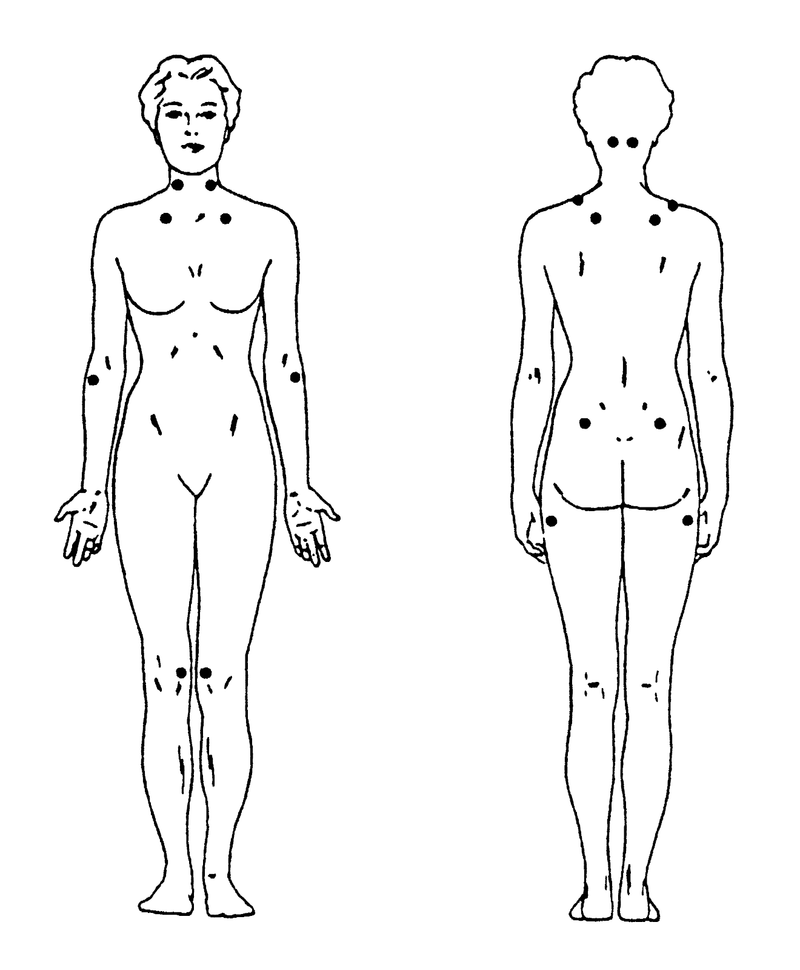
Pain is one of the most common complaints in clinical medicine. Pain, however, has a purpose. Acute pain alerts us to the many hazards in our environment and motivates us to withdraw from danger. People who are not able to feel pain are prone to injury. This is seen, for...
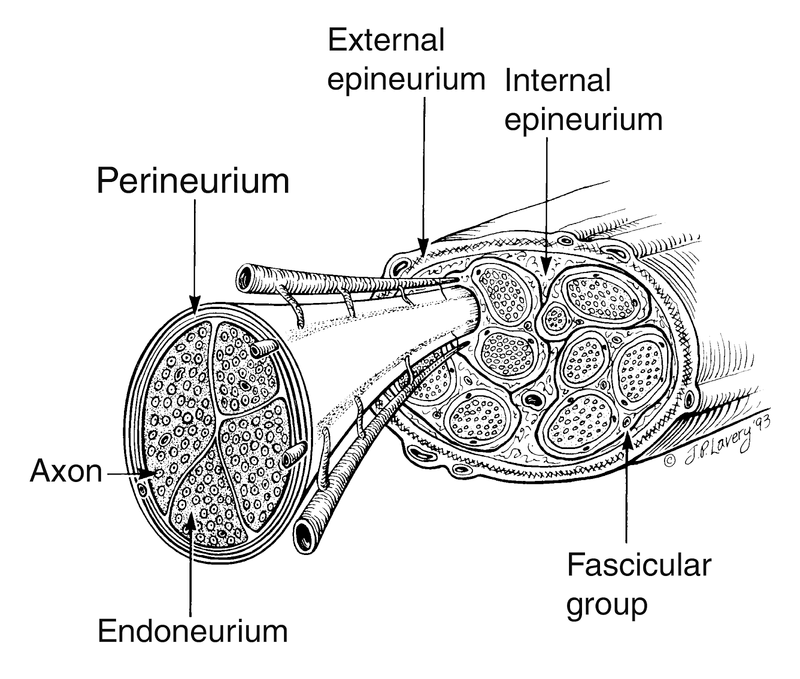
Compression neuropathies are clinical conditions in which pressure on a peripheral nerve produces dysfunction in the nerve. These may be manifest as sensory, motor, or autonomic changes in the involved nerve distribution. A peripheral nerve arises from the spinal root as it exits the neural foramen and terminates at the...
Muscles and tendons move joints, and ligaments stabilize them. Skin and its surrounding connective tissue provide a durable cover to the skeleton and protect vital neurovascular structures. Unfortunately, injury to these soft tissues is common. The clinical implication of a soft-tissue injury depends on its unique characteristics, including its type,...
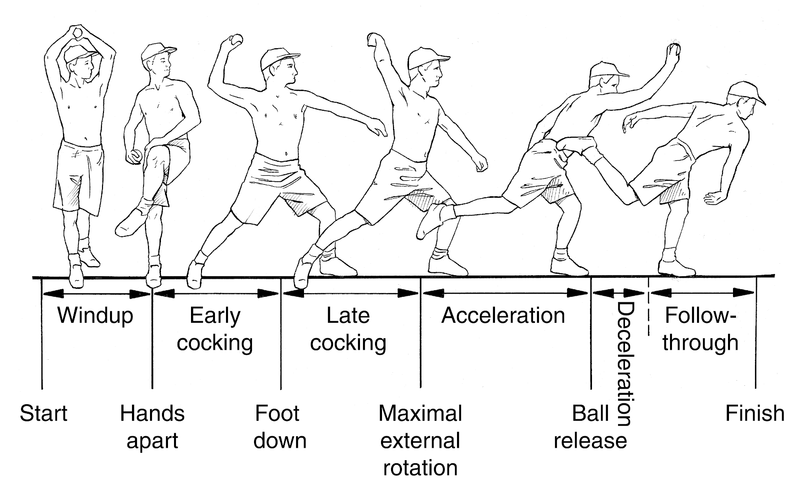
Sports medicine addresses many medical concerns of the athlete, including concerns about physiology, nutrition, and psychology; however, the most common health concern of athletes is musculoskeletal injury. The first section of this chapter is a review of some of the musculoskeletal conditions that commonly affect athletes, grouped by anatomic region....
Children are not simply smaller versions of adults. Their vast growth potential allows children at times to correct deformities that would lead to poor outcomes among adults. Consideration of long-term outcome is of critical importance in children because their bones, joints, and muscles must remain functional and pain-free not just...
Older adults make up the most rapidly growing segment of the population in the United States. Although there is no clear definition for the term elderly, 65 years and older has generally been used to define this segment of the population, in large part because this is the traditional age...