

Deep Research & Musculoskeletal Insights: Navigating Orthopedic Controversies with Data-Driven Research
Explore the frontiers of musculoskeletal and orthopedic knowledge with our Deep Research series. Leveraging advanced research capabilities, we delve into complex topics, analyze current controversies, and provide in-depth, evidence-based insights. These articles offer a comprehensive examination of critical issues, bridging the gap between cutting-edge research and practical clinical application. Stay informed about the latest developments and deepen your understanding of the challenges and advancements shaping orthopedic care. Discover the power of data-driven insights with ‘Gemini Deep Research’.
Deep Research & Musculoskeletal Insights: Navigating Orthopedic Controversies with Data-Driven Research
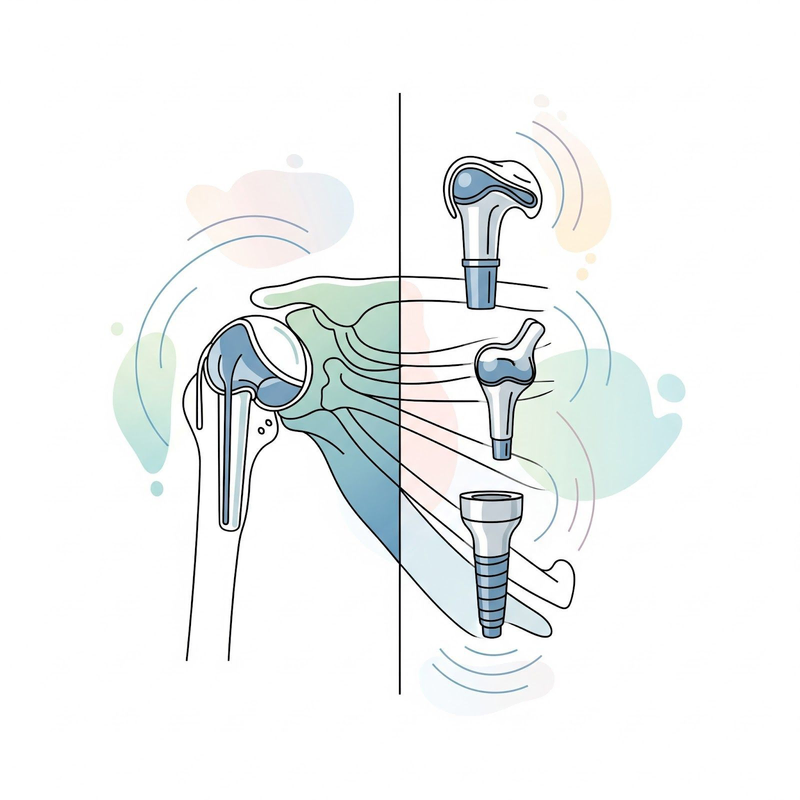
Shoulder Arthroplasty Implants: An Analysis of Types, Indications, and Selection Factors Shoulder arthroplasty, commonly known as shoulder replacement, is a surgical procedure that involves replacing the damaged parts of the shoulder joint with artificial components called implants. This procedure aims to alleviate pain, restore mobility, and improve the overall quality...
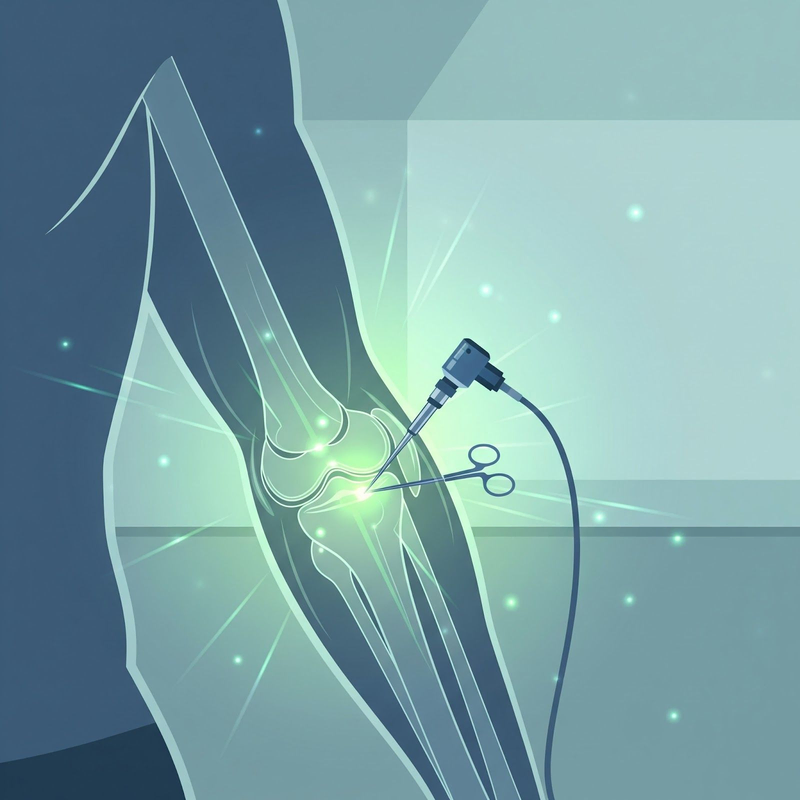
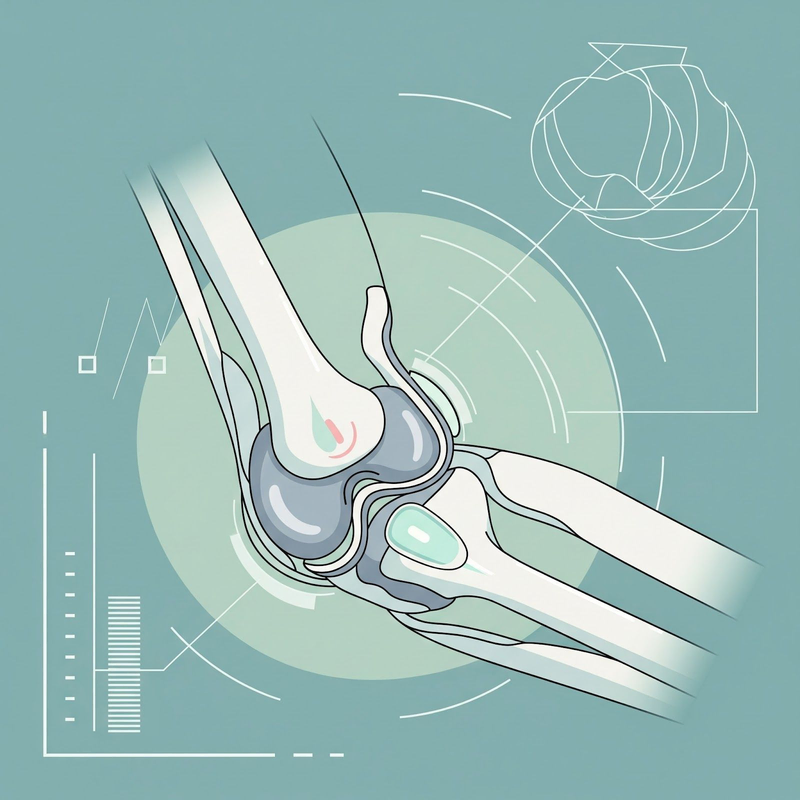
Elbow Arthroscopy: A Comprehensive Review of Indications, Outcomes, and Comparison to Open Surgery Elbow arthroscopy has undergone a remarkable transformation, evolving from a primarily diagnostic tool in the 1980s to a widely accepted method for treating a variety of elbow pathologies 1. This minimally invasive surgical technique involves inserting a...
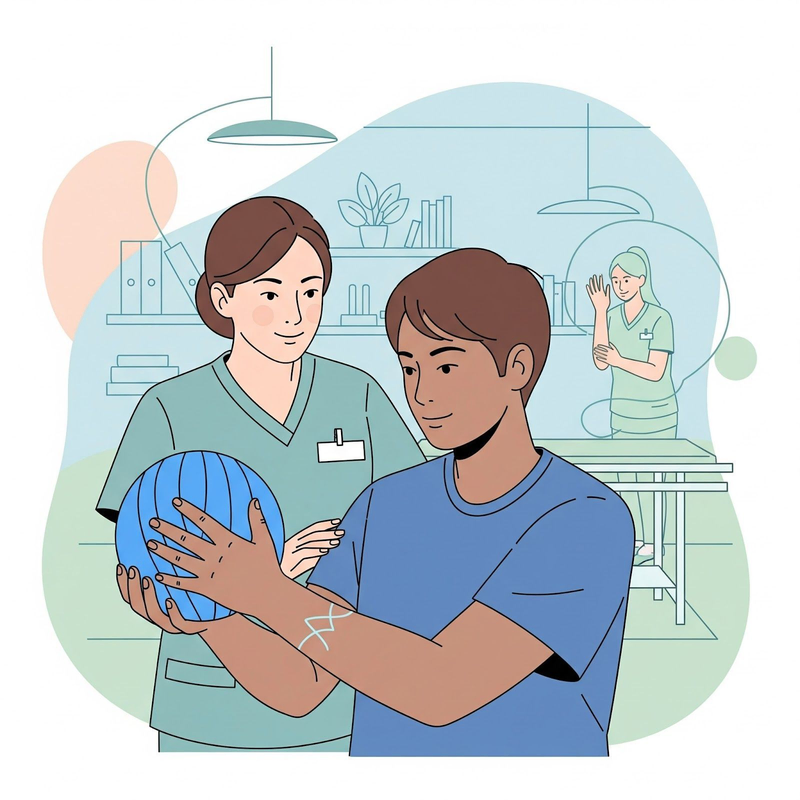
The Role of Occupational Therapy in Hand and Upper Extremity Rehabilitation Occupational therapy (OT) plays a crucial role in the rehabilitation of patients with hand and upper extremity injuries and conditions. It focuses on helping individuals regain their independence and improve their quality of life by restoring function, reducing pain,...
Management of Proximal Humerus Fractures Proximal humerus fractures (PHF) are a common injury, representing the third most frequent fracture in older adults, and are often associated with osteoporosis 1. They occur in a bimodal distribution, affecting younger patients who experience high-energy trauma and older patients with low-energy falls 3. Proximal...
Total Elbow Arthroplasty: A Comprehensive Review Total elbow arthroplasty (TEA) is a surgical procedure in which a surgeon replaces damaged portions of the elbow joint with an artificial joint. This procedure is a treatment option for patients with end-stage arthritis of the elbow joint1. When the cartilage in the joint...
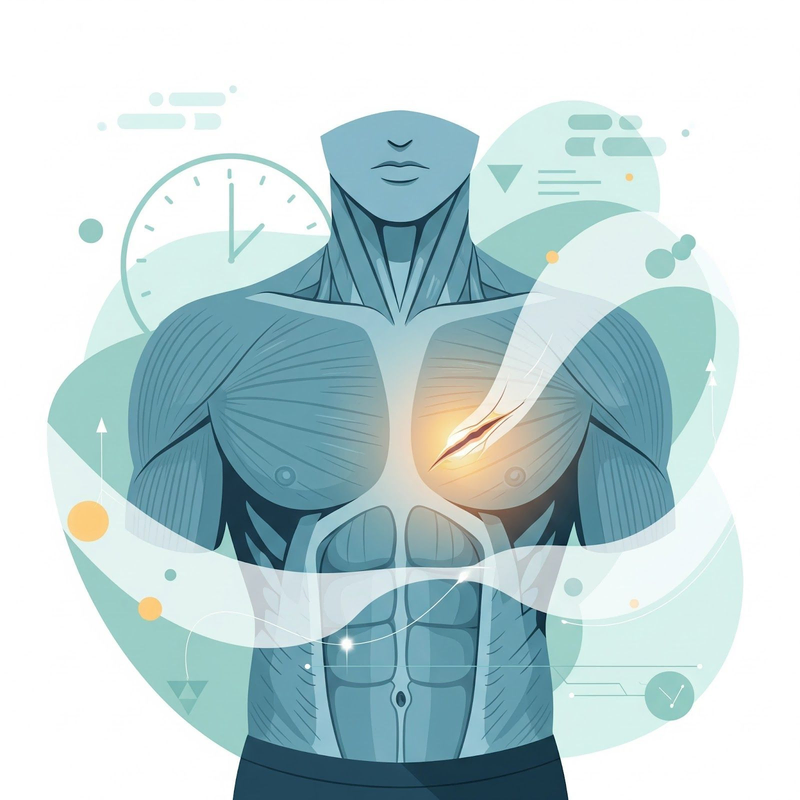
Pectoralis Major Ruptures: Optimal Timing for Surgical Repair, Techniques, and Outcomes Pectoralis major ruptures are uncommon injuries that typically occur in young, active men 1. These injuries involve a tear of the pectoralis major tendon, most commonly at its insertion on the humerus 2. Although these injuries are relatively rare,...
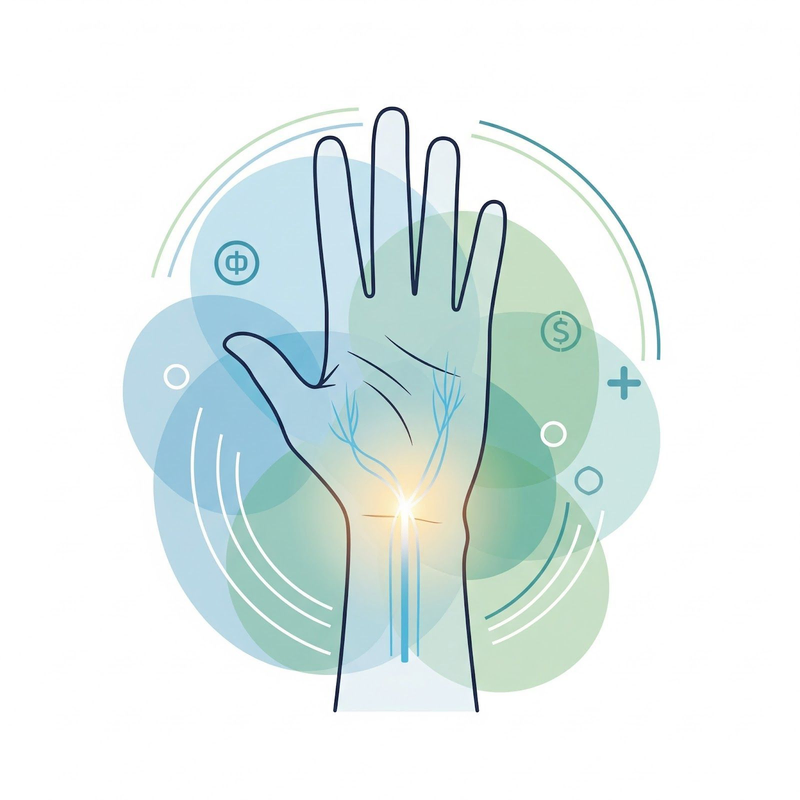
Carpal Tunnel Syndrome: Diagnosis and Treatment Carpal tunnel syndrome (CTS) is a common condition that affects the hand and wrist. It occurs when the median nerve, which runs from the forearm into the palm of the hand, becomes compressed or squeezed at the wrist1. The median nerve is responsible for...
Distal Radius Fracture Management Distal radius fractures are prevalent orthopedic injuries, often resulting from falls onto an outstretched hand. They affect individuals of all ages, with a higher incidence in children and older adults1. Effective management of these fractures is crucial for restoring wrist function and minimizing long-term complications. This...
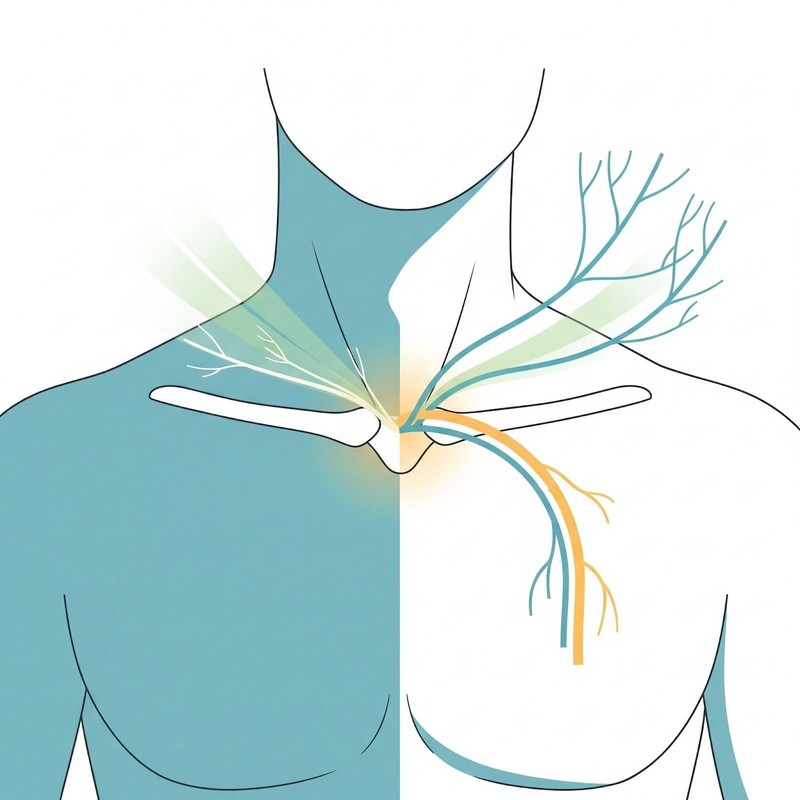
Thoracic Outlet Syndrome: A Comprehensive Review of Diagnosis and Management Thoracic outlet syndrome (TOS) is a complex condition involving the compression of nerves, arteries, or veins in the space between the collarbone and first rib, known as the thoracic outlet 1. This compression can lead to a variety of symptoms,...
Dupuytren's Contracture: A Comprehensive Review of Management Options Dupuytren's contracture is a hand condition that affects the fascia, the layer of fibrous tissue beneath the skin of the palm and fingers 1. It causes the fascia to thicken and tighten, forming cords and nodules that can pull the fingers into...