




Deep Research & Musculoskeletal Insights: Navigating Orthopedic Controversies with Data-Driven Research
Explore the frontiers of musculoskeletal and orthopedic knowledge with our Deep Research series. Leveraging advanced research capabilities, we delve into complex topics, analyze current controversies, and provide in-depth, evidence-based insights. These articles offer a comprehensive examination of critical issues, bridging the gap between cutting-edge research and practical clinical application. Stay informed about the latest developments and deepen your understanding of the challenges and advancements shaping orthopedic care. Discover the power of data-driven insights with ‘Gemini Deep Research’.
Deep Research & Musculoskeletal Insights: Navigating Orthopedic Controversies with Data-Driven Research
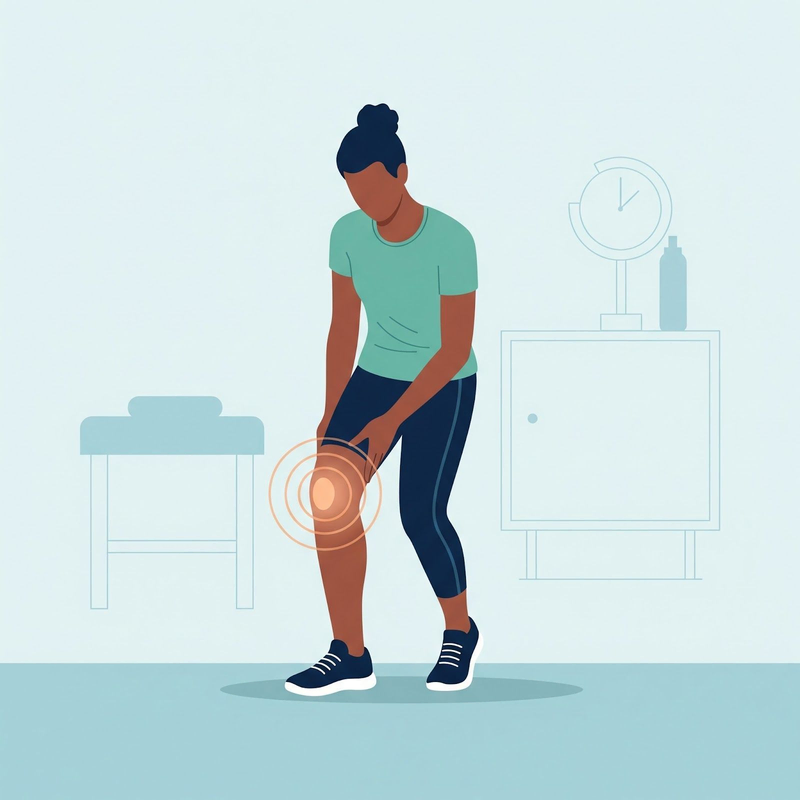
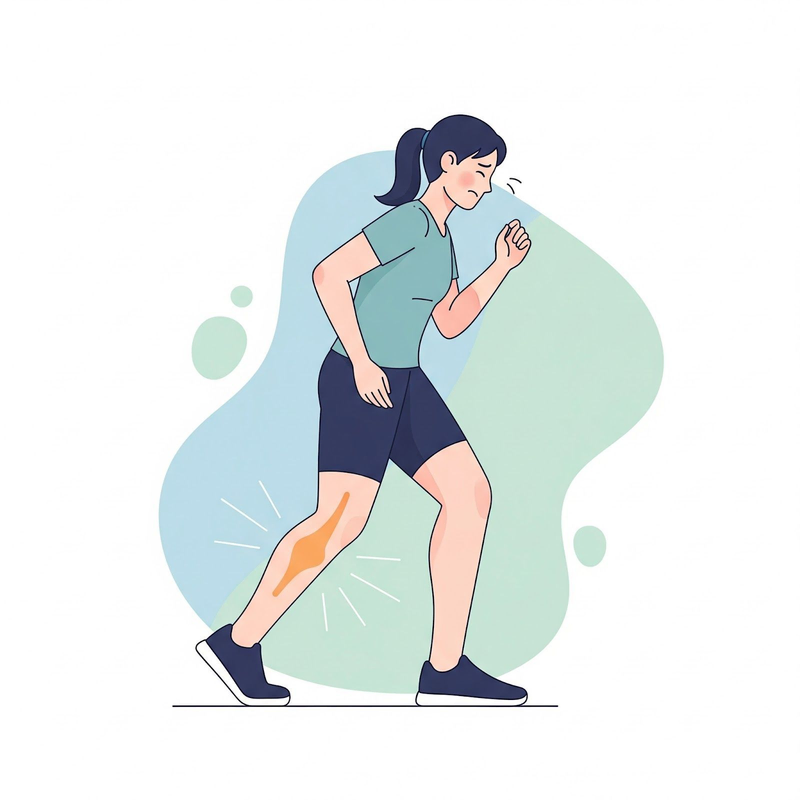
Patellofemoral Pain Syndrome: Diagnosis and Management Patellofemoral pain syndrome (PFPS), also known as runner's knee, is a prevalent condition affecting approximately one-third of individuals seeking medical attention for knee pain 1. It is characterized by pain in the front of the knee, around the kneecap (patella) 1. This pain typically...
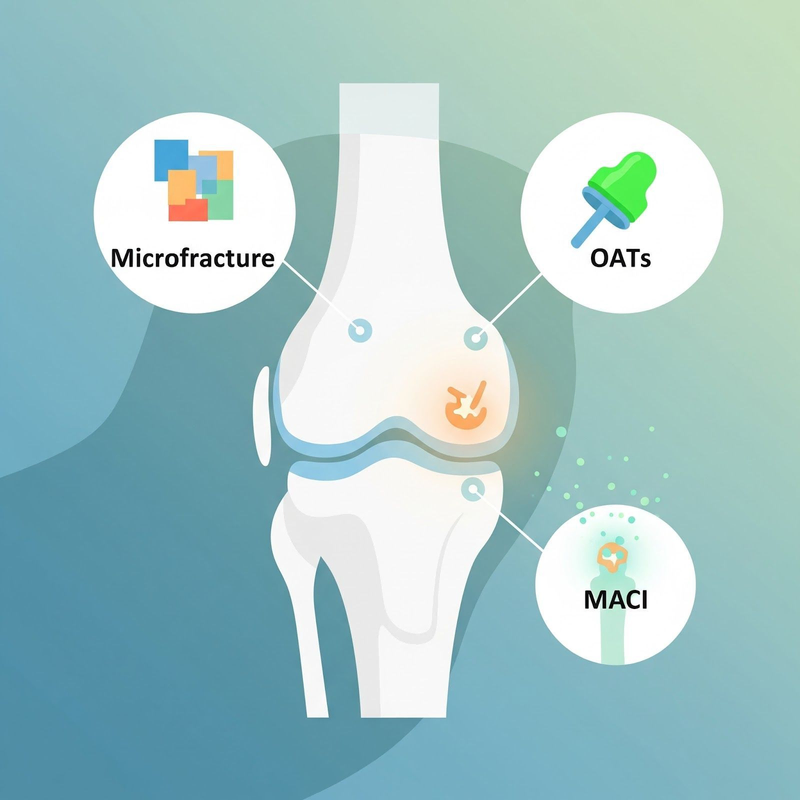
Osteochondral Lesions of the Knee: A Comparative Analysis of Treatment Options Osteochondral lesions of the knee are a common source of pain and disability, particularly among young and active individuals 1. These lesions involve damage to the articular cartilage and underlying subchondral bone, often resulting from trauma or overuse 2....
Meniscal Repair Versus Partial Meniscectomy: A Comparative Analysis of Long-Term Outcomes The menisci are crescent-shaped pieces of cartilage that act as shock absorbers and stabilizers in the knee joint. They are situated between the femur (thighbone) and tibia (shinbone) and play a vital role in load distribution, shock absorption, and...
Lateral Ankle Sprains: A Comprehensive Analysis of Management Strategies Lateral ankle sprains (LAS) are one of the most common musculoskeletal injuries experienced by the general population, especially among those who participate in sports1. They occur when the foot twists inward (inversion), overstretching or tearing the ligaments on the outside of...
The Female Athlete Triad: Optimizing Bone Health and Athletic Performance in the Context of RED-S The Female Athlete Triad, a syndrome characterized by the interplay of low energy availability (with or without disordered eating), menstrual dysfunction, and low bone mineral density, significantly impacts the health and well-being of female athletes1....
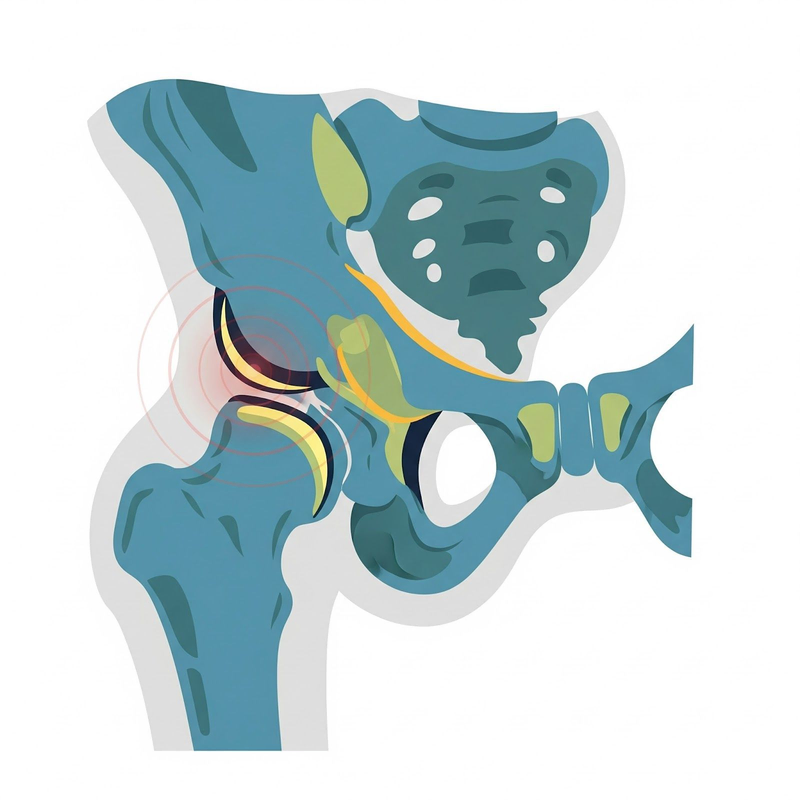
Femoroacetabular Impingement (FAI): Diagnosis, Arthroscopic Treatment, Indications for Surgery, and Outcomes Femoroacetabular impingement (FAI) is a condition where the ball and socket of the hip joint do not move smoothly together due to abnormal bone shapes, leading to premature contact and potential damage. This can cause pain, stiffness, and limited...
Exercise-Induced Compartment Syndrome Exercise-induced compartment syndrome (EICS), also known as chronic exertional compartment syndrome (CECS), is a condition characterized by elevated intramuscular pressure (IMP) within the fascial compartments of the limbs, primarily during exercise 1. This pressure buildup leads to a variety of symptoms, including pain, tightness, cramping, and muscle...
Concussion in Athletes: Diagnosis, Management, and Long-Term Effects Concussions are a common injury in athletes, particularly those participating in contact sports 1. This article summarizes current guidelines for the diagnosis and management of concussions in athletes, discusses the importance of a graded return-to-play (RTP) protocol, and explores the long-term effects...
Biomechanics in Sports Injury Prevention Sports injuries are a common occurrence among athletes of all levels. These injuries can have significant impacts on an athlete's well-being, leading to pain, disability, and time away from training and competition. While various factors contribute to sports injuries, such as genetics, environmental conditions, and...
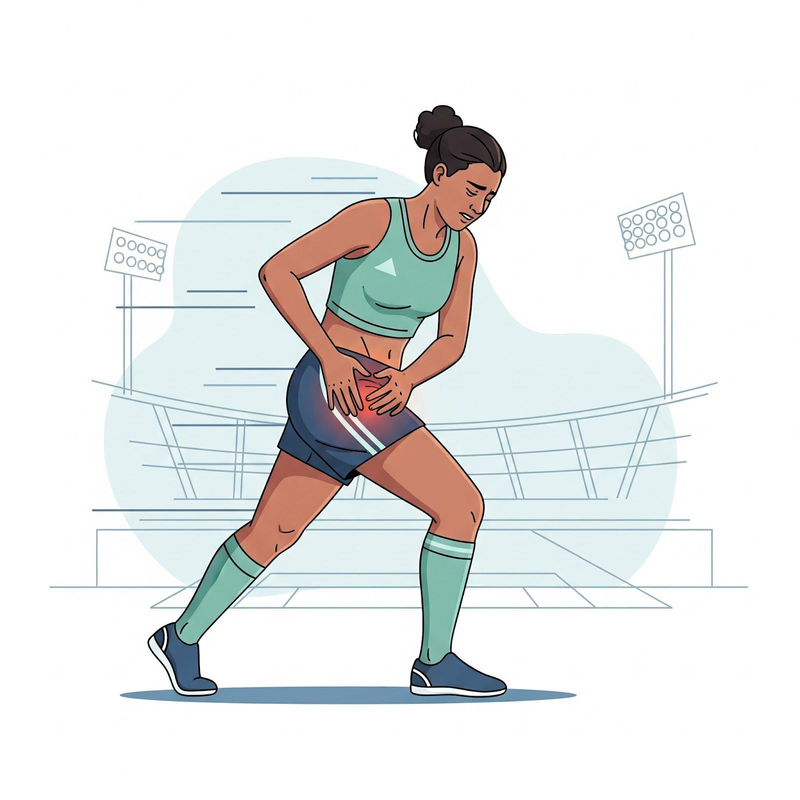
Athletic Pubalgia (Sports Hernia): Diagnosis and Surgical Treatment Athletic pubalgia (AP), commonly known as a sports hernia, is a painful soft tissue injury that affects the groin area. While not a true hernia, it involves a strain or tear of the soft tissues (muscles, tendons, or ligaments) in the lower...