


From ACL reconstructions to the latest in regenerative medicine, this category covers the dynamic field of sports medicine. We'll explore cutting-edge surgical techniques, analyze the efficacy of various rehabilitation protocols, and examine the controversies surrounding return-to-sport decisions. This section will keep you abreast of the most current research and best practices for treating athletes of all levels, helping them recover faster and perform at their peak.
Concussion in Athletes: Diagnosis, Management, and Long-Term Effects Concussions are a common injury in athletes, particularly those participating in contact sports 1. This article summarizes current guidelines for the diagnosis and management of concussions in athletes, discusses the importance of a graded return-to-play (RTP) protocol, and explores the long-term effects...
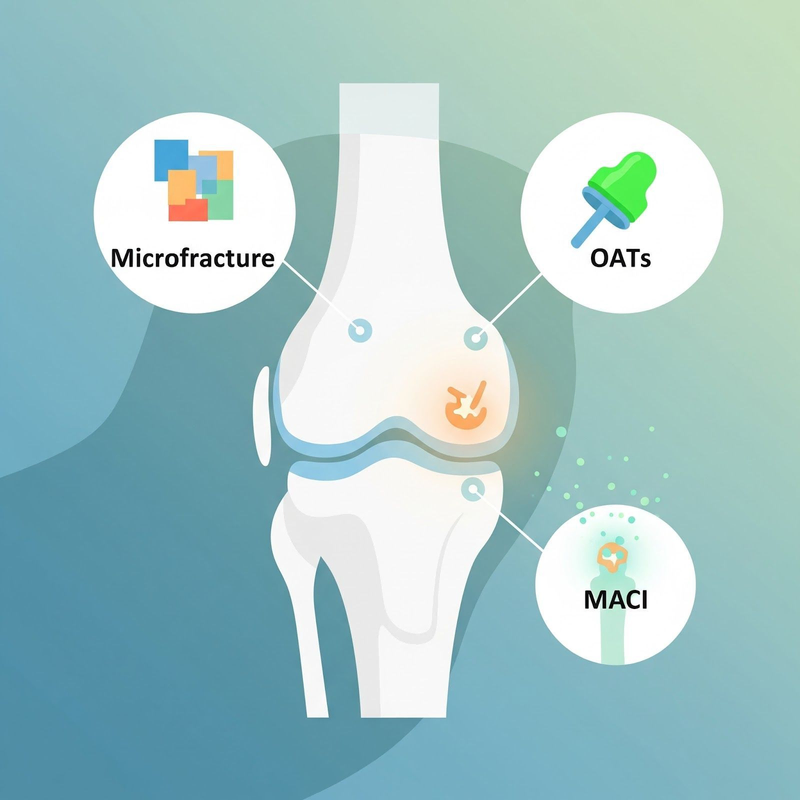
Osteochondral Lesions of the Knee: A Comparative Analysis of Treatment Options Osteochondral lesions of the knee are a common source of pain and disability, particularly among young and active individuals 1. These lesions involve damage to the articular cartilage and underlying subchondral bone, often resulting from trauma or overuse 2....
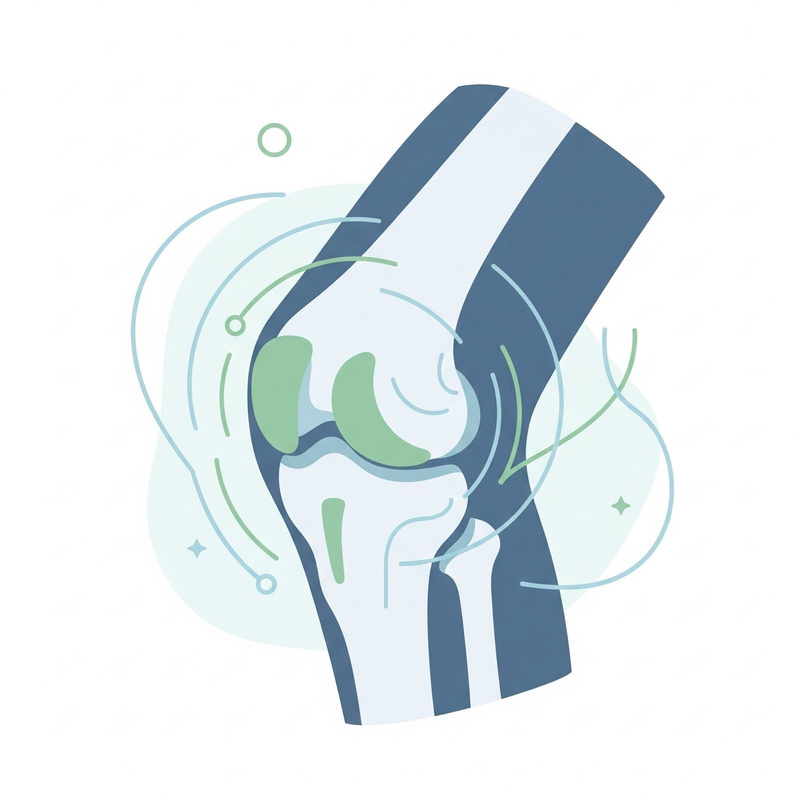
Meniscal Repair Versus Partial Meniscectomy: A Comparative Analysis of Long-Term Outcomes The menisci are crescent-shaped pieces of cartilage that act as shock absorbers and stabilizers in the knee joint. They are situated between the femur (thighbone) and tibia (shinbone) and play a vital role in load distribution, shock absorption, and...
Stress Fractures in Athletes: Diagnosis, Management, and the Importance of Rest Stress fractures are a common overuse injury in athletes, occurring when repetitive stress exceeds the bone's ability to repair itself1. These injuries can be debilitating, leading to significant time away from training and competition2. This article provides a comprehensive...
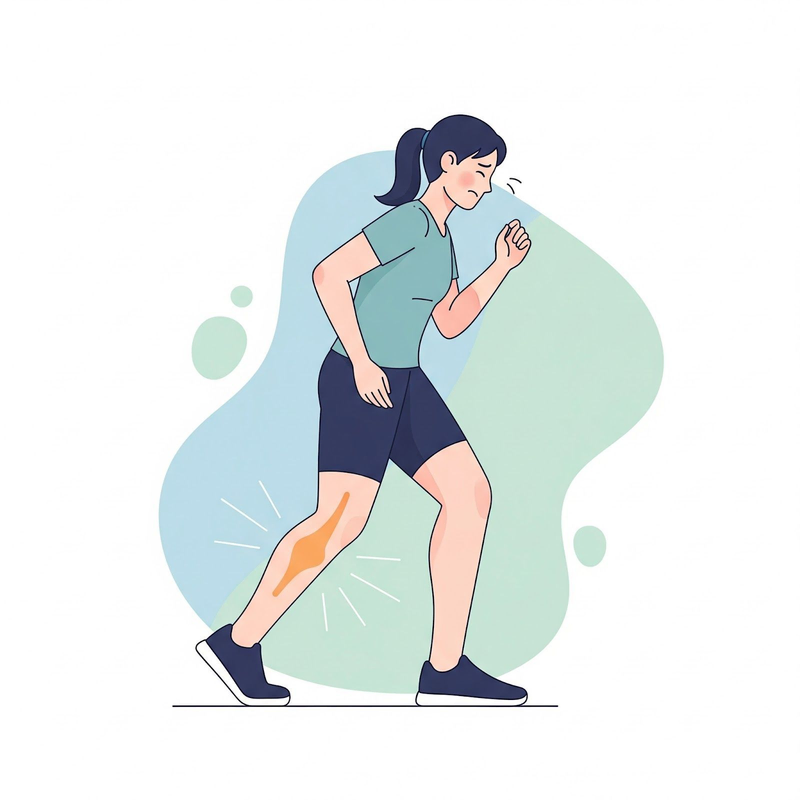
Exercise-Induced Compartment Syndrome Exercise-induced compartment syndrome (EICS), also known as chronic exertional compartment syndrome (CECS), is a condition characterized by elevated intramuscular pressure (IMP) within the fascial compartments of the limbs, primarily during exercise 1. This pressure buildup leads to a variety of symptoms, including pain, tightness, cramping, and muscle...