
Maintenance notice: Some features that submit or update information are temporarily disabled while we migrate the website. You can continue browsing normally. Thank you for your understanding.
The Gateway to Your Orthopaedic Career.
Musculoskeletal Insights: Your Open-Access Hub for Orthopedic Education and Innovation
Musculoskeletal Insights, from Orthogate Press, is your premier source for free, expert-driven orthopedic education. We provide in-depth analyses of musculoskeletal medicine, updates on the latest research, and a platform for collaborative learning. Dive into our open educational resources, explore case studies, and join a community dedicated to advancing orthopedic knowledge. Stay informed, enhance your practice, and contribute to the future of musculoskeletal care with Orthogate Press.
Musculoskeletal Insights: Your Open-Access Hub for Orthopedic Education and Innovation
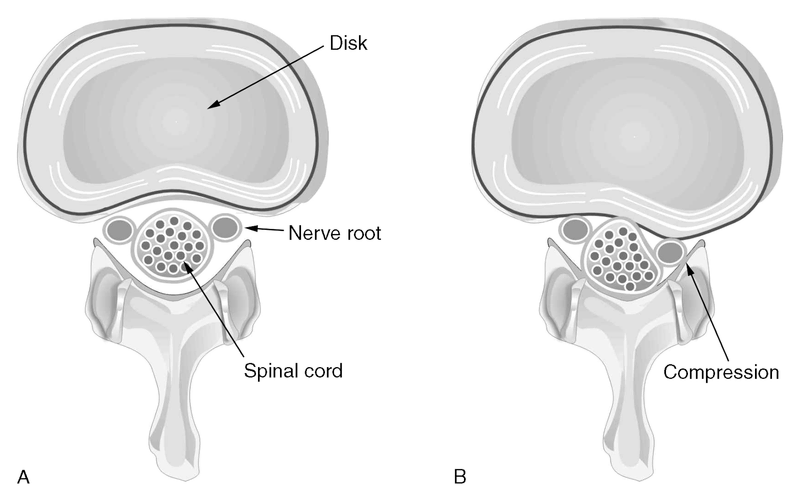
Decoding Back Pain and Sciatica: A Comprehensive Guide Back pain. Just hearing those two words can send shivers down your spine (pun intended!). It's a common ailment, with most adults experiencing it at some point. But what exactly is back pain, and why does it happen? This post dives deep into...
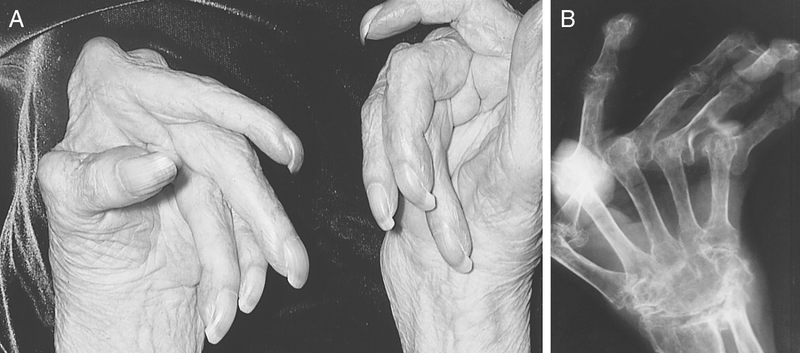
This chapter delves into the complexities of inflammatory arthritis, focusing primarily on Rheumatoid Arthritis (RA) and its juvenile form, along with gout. RA, a chronic autoimmune disease, is characterized by the immune system attacking the joint's synovium, leading to inflammation, pain, and eventual joint destruction. The chapter explores the pathogenesis...
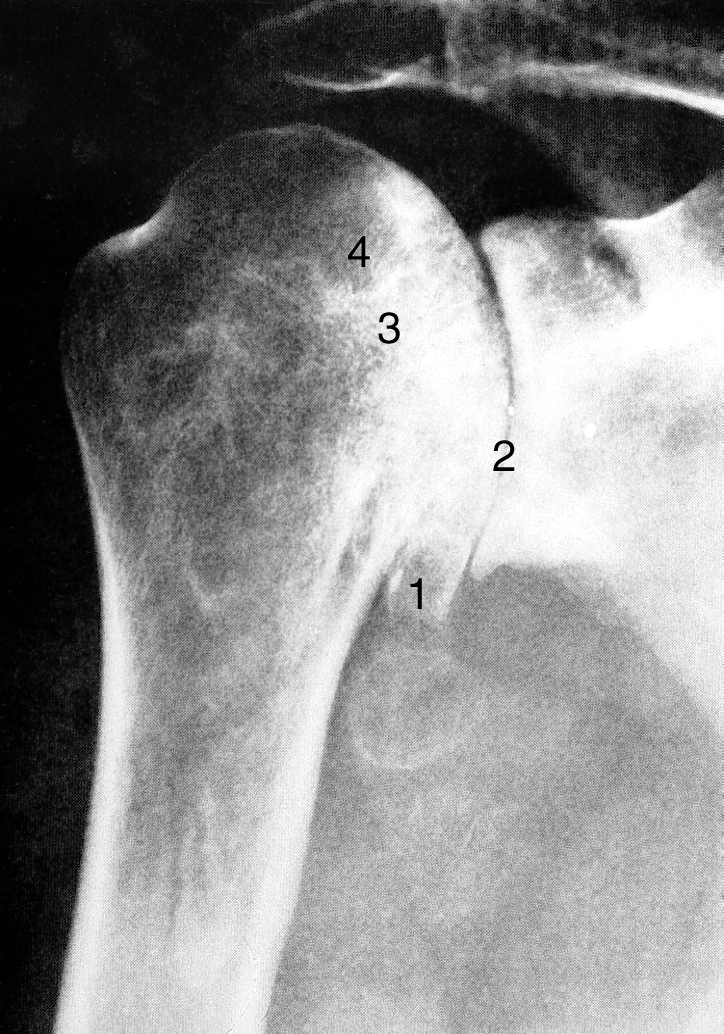
This chapter delves into the complexities of osteoarthritis, a degenerative joint disease impacting millions. It begins by distinguishing between primary and secondary osteoarthritis, emphasizing that while radiographic evidence is common, it doesn't always correlate with pain. The chapter highlights the progressive loss of articular cartilage as the primary mechanism, noting...
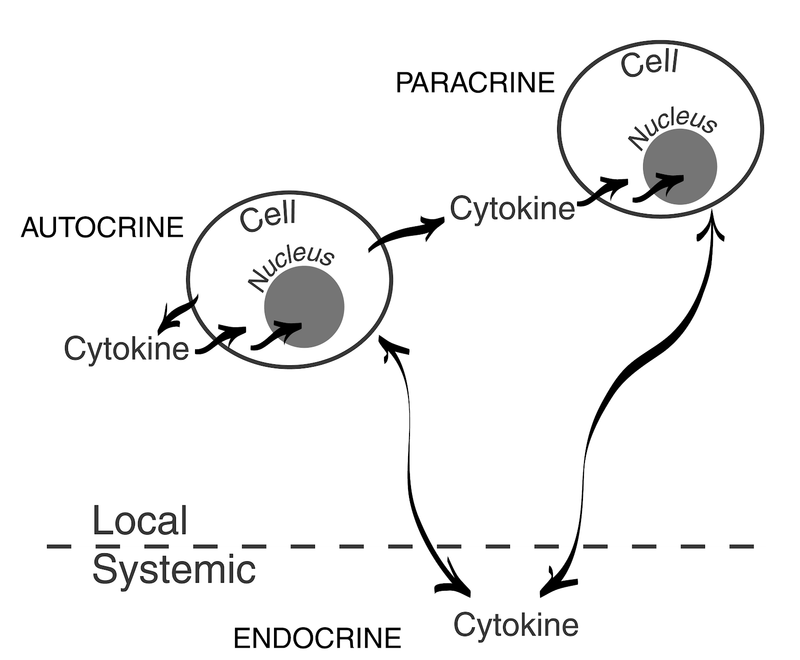
Inflammation - A Delicate Balance This chapter delves into the complex process of inflammation, a double-edged sword in the human body. While essential for healing and defense against foreign invaders, inflammation can also become a destructive force in chronic conditions like rheumatoid arthritis. The chapter breaks down the intricate cellular...
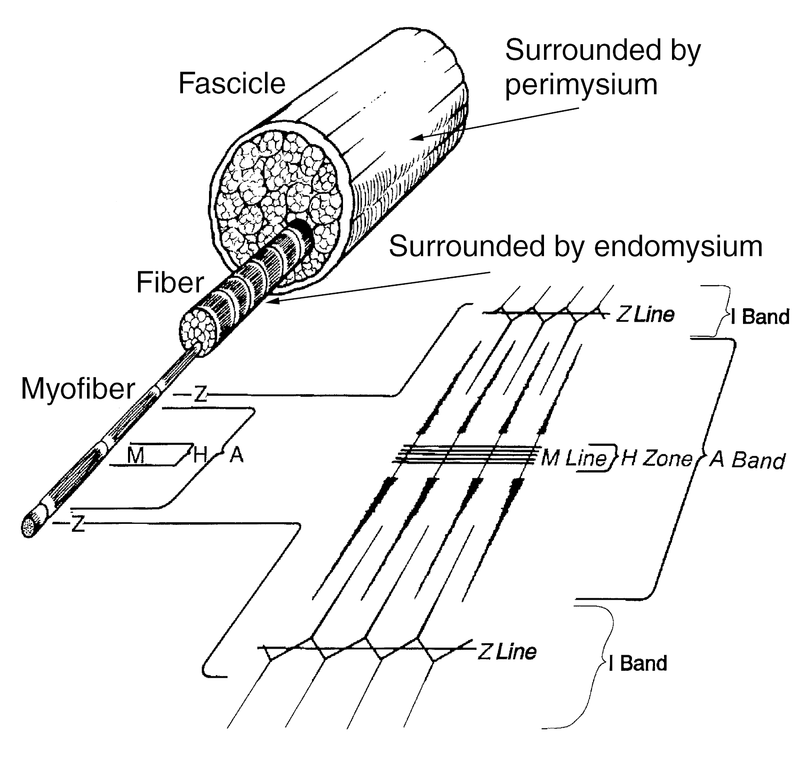
Skeletal Muscle - A Symphony of Structure and Function Dive into the intricate world of skeletal muscle, the body's powerhouse, making up 40-45% of our dry weight! This chapter unveils the secrets behind movement and strength, exploring the fascinating architecture of muscles, from the slender sartorius to the fan-shaped pectoralis...
This chapter delves into the crucial roles of the meniscus and intervertebral discs in the human body, highlighting their complex anatomy, biomechanical functions, and clinical significance. Meniscus: The meniscus is a crescent-shaped fibrocartilage in the knee that acts as a shock absorber, load distributor, and joint stabilizer. It enhances contact between...
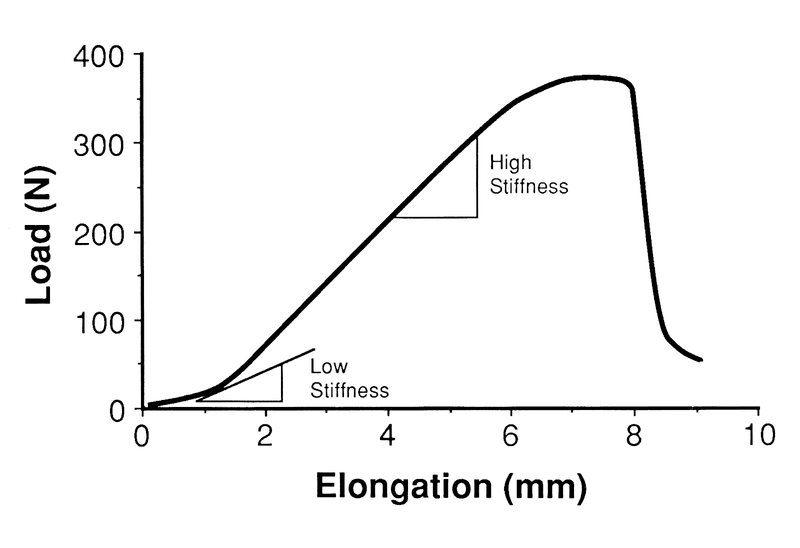
Ligaments: The Unsung Heroes of Your Joints Ever wonder what keeps your joints stable and allows you to move? The answer lies in ligaments, the strong, silent heroes of your musculoskeletal system. These tough, fibrous tissues connect bone to bone, acting like living ropes that resist tension and prevent excessive...
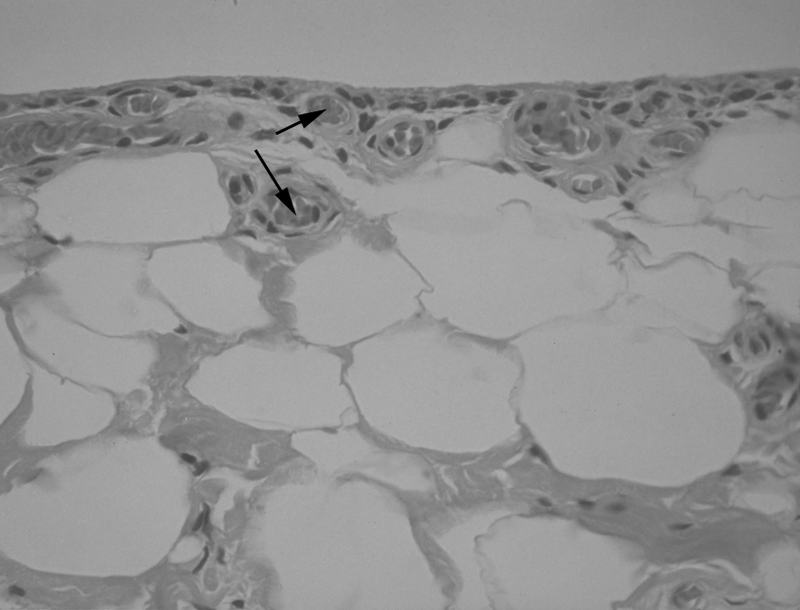
This chapter discusses synovial tissue, which is found in joints, tendon sheaths, and bursae and facilitates smooth motion. The synovium, a membranous structure, lines these areas and produces synovial fluid, which is crucial for motion and metabolism. The chapter covers the physiology, histology, and anatomy of normal synovium and synovial...
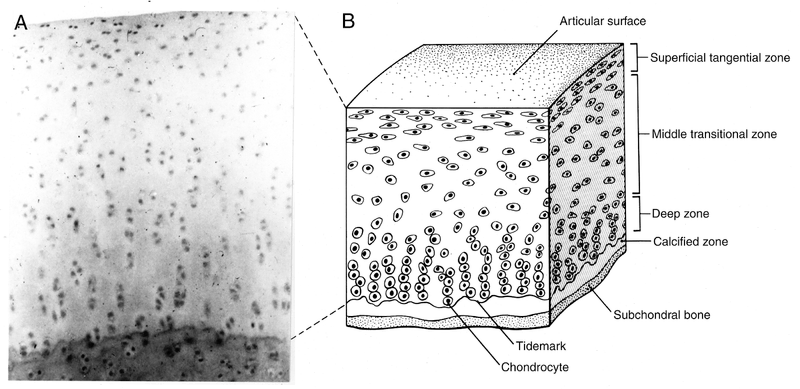
This chapter discusses articular cartilage, the tissue that forms the surfaces of synovial joints. It highlights the structure, composition, and function of articular cartilage, emphasizing its role in enabling smooth joint movement and absorbing mechanical loads.Key points include: Composition: Articular cartilage is composed of an extracellular matrix (ECM) containing water, proteoglycans,...
Bone is a dynamic tissue that serves three main functions: skeletal homeostasis (structure and movement), mineral homeostasis (ion storage and release), and hematopoiesis (blood cell formation). Bone formation occurs through either endochondral ossification (using a cartilage template) or intramembranous ossification (without a cartilage template). Endochondral ossification is the primary method...