Orthogate Press
  • Orthogate Press
  • Musculoskeletal Medicine
    • Section 1 Biology
    • Section 2 Anatomy
    • Section 3 Disorders
    • Section 4 Clinical Evaluation
    • Section 5 Management
    • Figures
  • Deep Research
    • Hand & Upper Extremity
    • Joint Arthroplasty
    • Pediatric Orthopaedics
    • Professionalism & Ethics
    • Sports Medicine
    • Spine Surgery
    • Trauma & Fracture Management
  • Musculoskeletal Insights
  • About Us
  • Return to Orthogate
    • News
    • Events
    • Forums
    • Reviews
    • Videos
    • Academy
    • Articles
    • Resources
    • For Patients
  • Click to open the search input field Click to open the search input field Search
  • Menu Menu
  • Link to X
  • Link to Facebook
  • Link to LinkedIn
  • Link to Rss this site
  • Orthogate Press
  • Musculoskeletal Medicine
  • Musculoskeletal Medicine Figures
  • Deep Research
  • Musculoskeletal Insights
  • About Us
  • Return to Orthogate
Musculoskeletal Insights
You are here: Home1 / Musculoskeletal Insights2 / Musculoskeletal Medicine3 / Clinical Evaluation4 / Chapter 26 Physical Examination

Chapter 26 Physical Examination
Clinical Evaluation, Musculoskeletal Medicine, OER Spotlight

Cracking the Code of the Musculoskeletal Exam: A Hands-On Guide

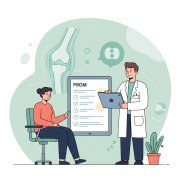
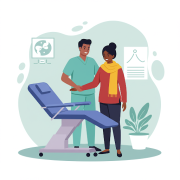
Ever wonder what goes on during a musculoskeletal exam? It’s more than just “bend and touch your toes!” This chapter dives deep into the techniques and assessments used by healthcare professionals to evaluate the health of your bones, joints, and muscles. From head to toe, a thorough physical exam can reveal a lot about what’s going on beneath the surface.

The Art of Observation:

The exam begins with careful observation. Doctors look for visual cues like swelling, redness, or deformities. They also pay close attention to how you move, noting any limitations or signs of discomfort. This initial inspection provides valuable clues about potential issues.

Range of Motion: Testing Your Limits:

Next comes range of motion testing. This involves assessing how far you can move each joint, both on your own (active range of motion) and with assistance (passive range of motion). Differences between active and passive motion can pinpoint the source of the problem, whether it’s a muscle issue or a joint restriction.

Strength Testing: Putting Your Muscles to the Test:

Muscle strength is another crucial aspect of the exam. Doctors apply resistance while you try to move specific muscles, gauging their strength on a scale. This helps identify any weaknesses that could indicate nerve or muscle damage.

Special Tests: Uncovering Hidden Issues:

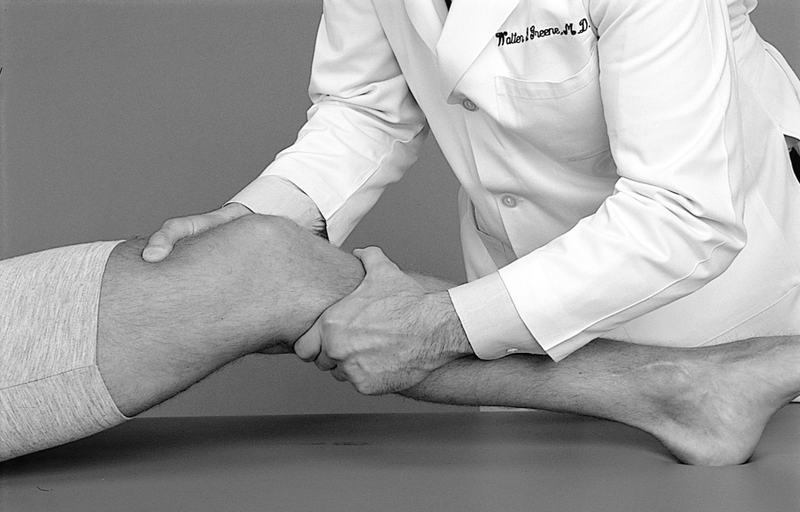
The chapter also explores a variety of special tests designed to assess specific structures and conditions. These tests often involve unique maneuvers that target particular joints or ligaments. For example, the Lachman test is used to evaluate the integrity of the anterior cruciate ligament (ACL) in the knee, while the Neer impingement sign helps diagnose shoulder impingement.

A Glimpse into the Neurological Connection:

The musculoskeletal exam isn’t just about bones and muscles; it also involves assessing the nervous system’s role in movement. Doctors test reflexes and nerve function to identify any neurological issues that could be contributing to musculoskeletal problems.

Why This Matters:

Understanding the components of a musculoskeletal exam can empower you to be an active participant in your healthcare. By knowing what to expect, you can better communicate your symptoms and concerns to your doctor. This knowledge can also help you appreciate the complexity of the human body and the importance of maintaining musculoskeletal health.
Goto Chapter 26 Physical Examination
February 23, 2025/by Orthogate Press
Tags: elbow, hip, knee, muscle strength, musculoskeletal exam, neurological, range of motion, shoulder, special tests, wrist
Share this entry
  • Share on X
  • Share on X
  • Share on LinkedIn
https://www.orthogate.org/press/wp-content/uploads/2025/02/physical-examination-180.webp 512 800 Orthogate Press https://orthogate.org/press/wp-content/uploads/2017/09/Orthogate_72-300x76.png Orthogate Press2025-02-23 16:44:372025-02-23 17:49:20Chapter 26 Physical Examination
You might also like
PROMs in Joint Arthroplasty Evaluation
Outpatient Total Joint Arthroplasty
ACL Rehabilitation: Accelerated vs. Traditional
Hamstring Strain Rehabilitation Best Practices
Chapter 5 Meniscus and Intervertebral Disks
Carpal Tunnel Syndrome: Diagnosis and Treatment Carpal Tunnel Syndrome: Diagnosis, Treatment

Musculoskeletal Insights

  • Musculoskeletal Insights
    • OER Spotlight
    • Updates and Advancements
    • Community Engagement
    • Educational Resources and Tools

Deep Research

  • Deep Research
    • Joint Arthroplasty
    • Hand & Upper Extremity
    • Pediatric Orthopaedics
    • Professionalism & Ethics
    • Spine Surgery
    • Sports Medicine
    • Trauma & Fracture Management

LATEST ARTICLES

  • Wrist Ligament Injuries: Diagnosis and Management
    Wrist Ligament Injuries: Diagnosis, ManagementJuly 1, 2025 - 9:00 amin: Hand & Upper Extremity – Restoring Function and Dexterity
  • Common Nerve Injuries of the Upper Extremity: Diagnosis and Repair
    Upper Extremity Nerve InjuriesJuly 1, 2025 - 9:00 amin: Hand & Upper Extremity – Restoring Function and Dexterity
  • Peripheral Nerve Entrapment Syndromes in the Upper Extremity: Diagnosis and Management
    Upper Extremity Nerve Entrapment SyndromesJuly 1, 2025 - 9:00 amin: Hand & Upper Extremity – Restoring Function and Dexterity
  • Trigger Finger: Diagnosis and Treatment
    Trigger finger: diagnosis and treatmentJuly 1, 2025 - 9:00 amin: Hand & Upper Extremity – Restoring Function and Dexterity
  • Total Elbow Arthroplasty: A Comprehensive Review
    Total Elbow Arthroplasty ReviewJuly 1, 2025 - 9:00 amin: Hand & Upper Extremity – Restoring Function and Dexterity

About Orthogate Press

Orthogate Press operates on the model of a knowledge-based economy, to which we contribute by providing peer-reviewed publications unfettered by the desire to commodify thought or to restrict access to ideas.

We are dedicated to the dissemination of knowledge and research through open access digital journals and monographs, as well as through new electronic media. Learn more about Orthogate Press.

Latest Articles

  • Chapter 33 Surgical TreatmentsFebruary 23, 2025 - 4:47 pm
  • Chapter 32 Alternative MedicineFebruary 23, 2025 - 4:47 pm
  • Chapter 31 MedicationsFebruary 23, 2025 - 4:46 pm
  • Chapter 30 Nonsurgical TherapyFebruary 23, 2025 - 4:46 pm
  • Chapter 29 Electrodiagnostic StudiesFebruary 23, 2025 - 4:45 pm

Categories

Anatomy (1) Biology (7) Clinical Evaluation (4) Deep Research (0) Disorders (17) Hand & Upper Extremity – Restoring Function and Dexterity (29) Joint Arthroplasty – Balancing Innovation and Evidence (20) Management (4) Musculoskeletal Medicine (33) OER Spotlight (33) Sports Medicine – Pushing the Boundaries of Performance and Recovery (20) Updates and Advancements (1)

RSS Orthogate Feed

  • Duke Orthopaedics Research Assistant - Immediate Opening July 20, 2026
  • Carilion Clinic - Virginia Tech Carilion School of Medicine - Adult Reconstructive Surgery Fellowship - Vacancy for AY 27-28 May 7, 2026
  • Orthopaedic House Physician Position Available in Manhattan - New York-Presbyterian/Lower Manhattan Hospital March 27, 2026
  • 2026–2027 Boucher Orthopaedic Trauma Research Fellowship - Johns Hopkins March 21, 2026
  • Department of Orthopedic Surgery, Division of Shoulder Surgery, The Johns Hopkins University Research Gap Year: 2026-2027 March 18, 2026
© Copyright 1999-2025 Orthogate. All rights reserved. . Powered by: OrthoNet | Dr. Christian Veillette - Empowering the Future of Orthopaedic Care
  • Terms of Service
  • Legal notice
Link to: Chapter 25 Special Concerns of the Geriatric Patient Link to: Chapter 25 Special Concerns of the Geriatric Patient Chapter 25 Special Concerns of the Geriatric PatientLink to: Chapter 27 Radiography Link to: Chapter 27 Radiography Chapter 27 Radiography
Scroll to top Scroll to top Scroll to top